
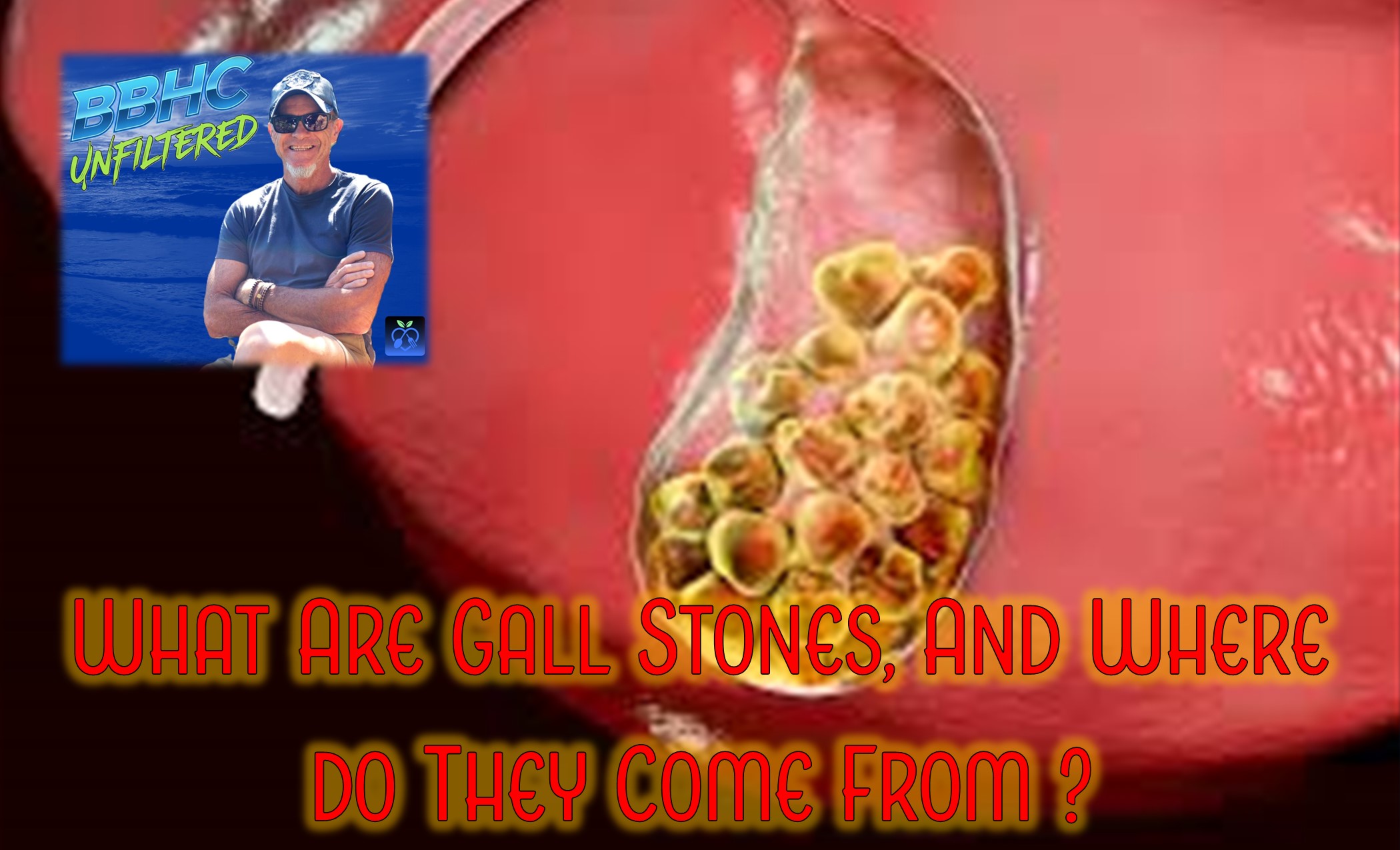
Understanding Gallstones and Their Symptoms
Gallstones are hardened deposits that can form in the gallbladder, a small organ responsible for storing and concentrating bile—a digestive fluid that helps break down fats and absorbs fat-soluble nutrients. Interestingly, most people with gallstones are asymptomatic; around 80% of cases don’t show symptoms until the stones grow or cause complications.
Common Symptoms of Gallstones
When symptoms do occur, they can range from mild discomfort to severe pain. Here are typical symptoms associated with gallstones or gallbladder issues:
Pain or tightness under the right ribcage: This is a common symptom of a “gallbladder attack” when the stones obstruct the bile duct.
Pain radiating under the right shoulder blade: Known as referred pain, this discomfort often spreads to the back or the right rhomboid area.
Neck and facial pain: Pain can radiate from the neck up to the side of the face.
Digestive symptoms: These include nausea, vomiting, bloating, belching, and indigestion, often after fatty meals.
Jaundice: Yellowing of the skin and eyes indicates a bile duct blockage.
Dark urine and pale stool: Both are symptoms of bile duct obstruction, leading to poor fat digestion.
Bile and Cholesterol in Gallstone Formation
Gallstones typically form due to high cholesterol levels and insufficient bile production. Cholesterol can crystallize in the gallbladder without enough bile to dissolve it. Therefore, the lack of bile—not cholesterol—is often the real issue.
Risk Factors for Gallstones
Several factors increase the risk of developing gallstones, including:
Hormonal changes: Pregnancy and birth control pills can increase cholesterol and slow bile movement.
Obesity and type-2 diabetes: These conditions often correlate with high cholesterol.
Liver disease: As the liver produces bile, liver issues can impact bile composition.
Dietary factors: High-carbohydrate and low-fat diets can increase the likelihood of gallstones.
Medications: Proton pump inhibitors (PPIs) that reduce stomach acid can also reduce bile production.
Other conditions: Constipation and low folate levels may interfere with digestion and increase gallstone risk.
Natural Remedies for Gallstones
Several natural remedies may help alleviate gallstone symptoms and support gallbladder health, focusing on balancing bile production and reducing cholesterol levels.
Take Purified Bile Salts and Probiotics: Purified bile salts can supplement the bile produced by the liver, assisting in fat digestion and reducing gallstone formation. Probiotics can aid digestion and support a healthy microbiome, reducing strain on the gallbladder.
Increase Dietary Fiber with Salads: Fiber-rich foods, such as leafy greens, support digestive health and bile flow. Fiber helps lower cholesterol and supports liver health, indirectly helping prevent gallstones.
Practice Acupressure: Acupressure points that target liver and gallbladder meridians may stimulate bile flow and alleviate symptoms. Consulting an experienced practitioner can ensure safe and targeted application.
Reduce Insulin Levels with Intermittent Fasting and a Keto Diet: High insulin levels can contribute to gallstone risk. Intermittent fasting and a ketogenic (low-carb, high-fat) diet help regulate insulin and may also encourage natural fat digestion. Intermittent fasting reduces bile demands and gives the gallbladder rest periods.
These natural approaches may help manage gallstone symptoms and prevent formation. However, consulting a healthcare provider before making dietary changes or starting new treatments is advisable, especially for those with existing gallbladder or liver conditions.