Mastering Your Sleep: The Missing Link in Real Health
There’s a hard truth most people don’t want to hear: you cannot out-supplement, out-diet, or out-train poor sleep

There’s a hard truth most people don’t want to hear: you cannot out-supplement, out-diet, or out-train poor sleep

In an age where supplement shelves resemble a pharmaceutical warehouse and health advice changes with the wind, it’s no surprise that people feel overwhelmed. One day it’s vitamin D, the next it’s zinc, then sea kelp, bile salts, apple cider vinegar, or some obscure compound with a name that sounds like a chemistry experiment. Before long, the average person finds themselves swallowing a small handful of capsules daily, hoping something in that mix will move the needle.

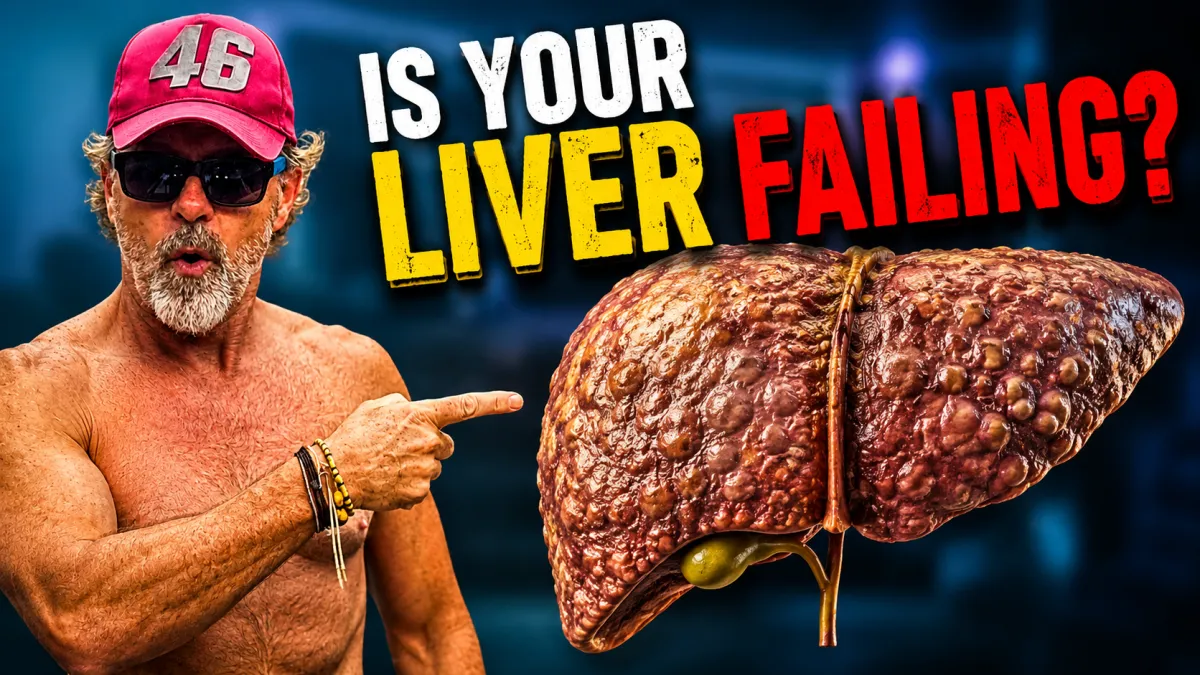
There are few phrases in modern healthcare more misleading—and frankly more dangerous—than this one: “Your labs are normal.”

Most people think metabolism is controlled by food, exercise, and maybe sleep if they’re paying attention. But there’s a quieter variable sitting in the background that almost nobody considers—light. Not just whether it’s bright or dim, but the actual quality and rhythm of the light you’re exposed to throughout the day.