Why Your Supermarket Isn’t as Choice-Driven as You Think
Different Brands, Same Masters
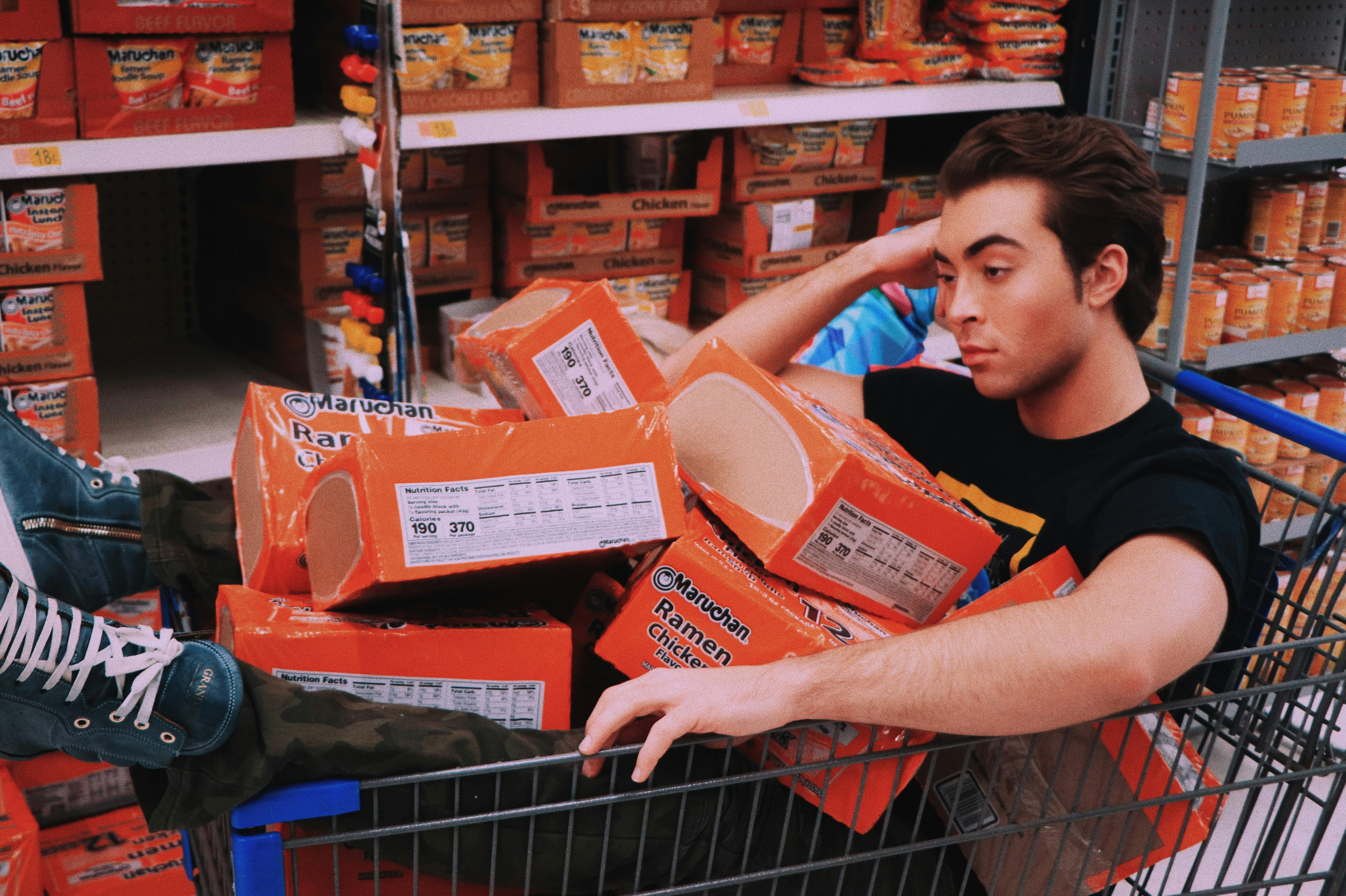
You walk into a supermarket thinking you’re surrounded by choice.
Hundreds of brands. Endless aisles. Colours, slogans, “new and improved” labels shouting for attention.
Here’s the punchline:
Most of that “choice” is an illusion.
Behind the scenes, roughly 10 multinational corporations control a huge share of the world’s packaged food supply. Different logos, same boardrooms. Companies like Nestlé, Coca-Cola, PepsiCo, Unilever, Mondelez, Kraft Heinz, Mars, and Kellogg’s own vast portfolios of brands that appear to be competing with each other—but aren’t.
It’s not a food market.
It’s a food cartel with good marketing.
The Supermarket Power Game
Now zoom in closer.
In countries like the UK, over 70% of grocery sales are controlled by just a handful of supermarket chains—Tesco, Sainsbury’s, Asda, and the discount giants Aldi and Lidl. Four players. One gate.
These retailers don’t just sell food. They decide:
Which products get shelf space
Which farmers survive
Which suppliers get squeezed
What price you pay
And ultimately, what you eat
Shelf space isn’t about nutrition. It’s about profit per square metre.
And guess what wins that competition every single time?
Ultra-Processed Food: The Perfect Product (for Them)
Ultra-processed food is a supermarket’s dream:
Cheap ingredients
Long shelf life
Minimal spoilage
Highly addictive
Huge margins
In wealthy countries, more than 50% of daily calories now come from ultra-processed products. In some populations, it’s much higher.
Why? Because real food goes off.
Ultra-processed food practically survives the apocalypse.
Fresh meat, vegetables, and whole foods require:
Refrigeration
Logistics
Fair pricing
Skilled handling
Ultra-processed food requires:
A warehouse
A barcode
A marketing budget
From a business perspective, it’s not even a debate.
This Isn’t a Conspiracy. It’s Economics.
There’s no secret meeting in a dark room where villains twirl their moustaches.
This system exists because:
Scale beats quality
Volume beats nutrition
Profit beats health
The more shelf-stable and addictive the product, the more predictable the revenue. Predictable revenue attracts investors. Investors demand growth. Growth demands efficiency. Efficiency eliminates farmers and replaces them with factories.
No evil plot required.
Just spreadsheets.
The Part Nobody Likes to Hear
Here’s the uncomfortable truth.
Every time you buy ultra-processed food, you reinforce this system.
Every time you buy cheap convenience, you vote for more of it.
And every time you buy from:
A local butcher
A small grower
A market stall
A real food producer
You weaken the system.
Not with protests.
Not with politics.
Not with hashtags.
With your wallet.
One Purchase at a Time
This isn’t about perfection. It’s about leverage.
You don’t dismantle a global food machine overnight. But you can stop feeding it blindly.
Real food doesn’t scale well.
That’s exactly why it matters.
And if that makes your grocery trip slightly less convenient—but your body, metabolism, and health slightly more resilient—that’s a trade worth making.
Because the system won’t change itself.
But you can opt out of parts of it.
One receipt at a time.