How Industrial Waste Became “The Food of the Future” (And Why We’re Still Paying for It)
How do you get people to eat 50 tons of industrial waste without them noticing?

How do you get people to eat 50 tons of industrial waste without them noticing?

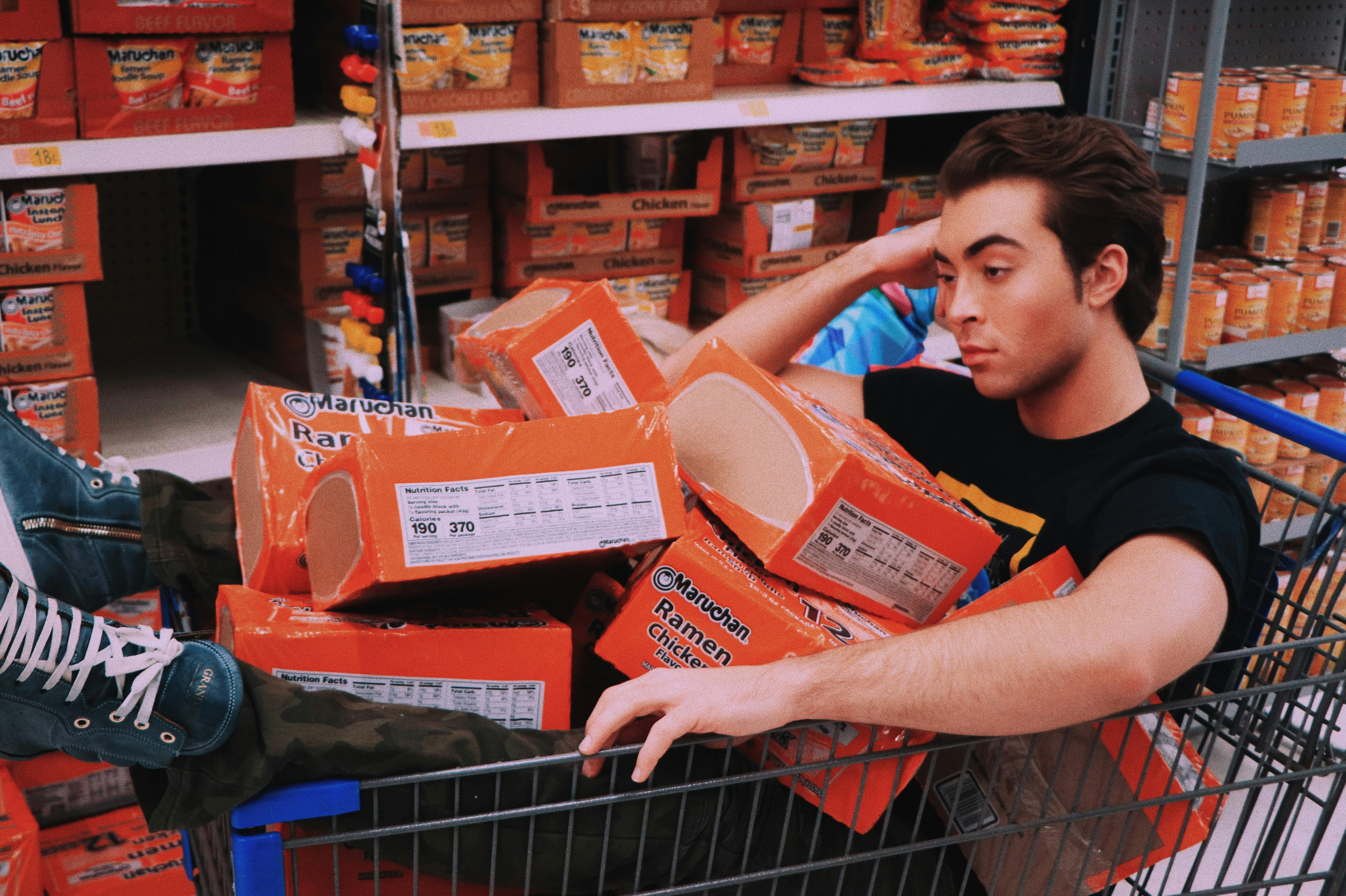
You walk into a supermarket thinking you’re surrounded by choice. Hundreds of brands. Endless aisles. Colours, slogans, “new and improved” labels shouting for attention. Here’s the punchline: Most of that “choice” is an illusion.

People often ask, “How do we fix the food system?” Usually the question is followed by something complicated—policy overhauls, education programs, subsidies, taxes, committees, task forces, white papers that no one reads.

If food labels were honest, half the supermarket would need a therapist and the other half would need a warning label. Instead, we get glossy packaging whispering sweet lies like “natural,” “low-fat,” “keto-friendly,” and my personal favourite, “no added sugar.” Which is a bit like saying, “I didn’t add poison—someone else did.”