
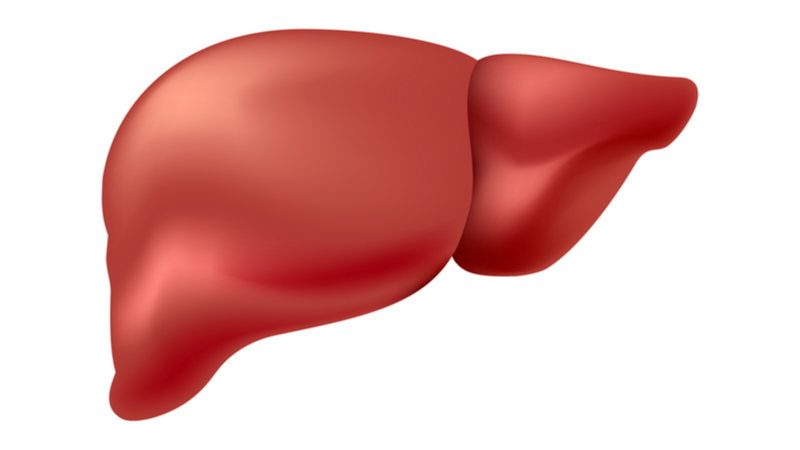
The Number One Remedy for a Toxic Liver (And Why Most People Don’t Know They Need It)
The Number One Remedy for a Toxic Liver (And Why Most People Don’t Know They Need It)
Early Signs of Liver Stress
The liver doesn’t usually scream for attention. It whispers first.
Some of the early warning signs include:
Yellowing of the eyes or skin
Persistent nausea
Small red dots on the skin
Chronic fatigue or a lack of “get up and go”
Poor tolerance to alcohol or medications
These symptoms often appear long after the underlying toxicity has been building.
One Compound That Protects the Liver Across Many Toxins
There is one natural compound that stands out for its ability to counter a wide range of liver toxins:
N-acetylcysteine (NAC)
NAC has been used for decades in medical settings, yet it remains one of the most effective and underutilised liver-support compounds available.
It’s so effective that it’s even used as a drug in emergency medicine, which is one reason it was temporarily pulled from the supplement market in the past.
Thankfully, it’s still available.
What NAC Protects the Liver From
NAC isn’t selective. It supports liver detoxification across multiple exposures, including:
Alcohol
If you’ve ever woken up with a hangover, you’ve experienced acute liver stress. NAC:
Reduces alcohol-induced liver damage
Supports faster recovery
Lowers oxidative stress
Smoking and Secondhand Smoke
Toxins inhaled into the lungs don’t stay there. They enter the bloodstream—and end up in the liver. NAC helps neutralise this burden.
Environmental Toxins
This includes:
Solvents absorbed through the skin
Herbicides, pesticides, insecticides, fungicides
Industrial chemicals and pollutants
Medications
Pain relievers like ibuprofen aren’t anti-inflammatory—they’re pain suppressors, and they place a load on the liver. NAC helps reduce medication-related liver stress.
Medical Treatments
Chemotherapy and radiation generate massive oxidative stress. NAC is widely recognised for its role in protecting liver cells during and after these therapies.
Why NAC Works: The Glutathione Connection
NAC’s power comes from its role in restoring glutathione, the body’s master antioxidant.
Understanding Free Radicals (Simply)
Think of a spinning plate balanced with equal weights.
Remove one weight and the plate wobbles violently.
That wobble is like a free radical—an unstable molecule missing an electron. Free radicals damage tissues by stealing electrons from healthy cells.
What Antioxidants Do
Antioxidants donate electrons to stabilise free radicals.
But when they donate, they become unstable themselves.
That’s why antioxidants work in teams:
Glutathione
Vitamin C
Vitamin E
They regenerate each other.
NAC’s Key Role
NAC helps:
Replenish glutathione
Regenerate other antioxidants
Sustain long-term antioxidant protection
This is especially critical in the liver, where detoxification produces large amounts of oxidative stress.
NAC and Liver Detoxification Phases
The liver detoxifies toxins in two major steps:
Phase 1: Breaks toxins into intermediate compounds
Phase 2: Converts those compounds into water-soluble forms so they can be excreted
NAC enhances both phases.
This means fat-soluble toxins—often the most dangerous—can be safely neutralised and eliminated.
Cell Protection and Regeneration
NAC also:
Helps regenerate liver tissue
Reduces liver cell “self-destruction” (apoptosis)
Protects against chronic medication and toxin exposure
For anyone taking regular medication, consuming alcohol, or living in a modern chemical environment, this protection is significant.
How to Use NAC Properly (This Matters)
To get the most benefit from NAC:
1. Take It on an Empty Stomach
Absorption is significantly better when taken away from food.
2. Use Divided Doses
Several smaller doses throughout the day are more effective than one large dose.
3. Pair It With Vitamin C and Selenium
These nutrients:
Support glutathione recycling
Enhance antioxidant synergy
4. Eat Protein Afterward
Your next meal should be high in protein, supplying amino acids that further support glutathione production.
5. Include Cruciferous Vegetables
Vegetables like broccoli, cauliflower, and cabbage provide additional antioxidants and detox support, giving the liver more tools to work with.
Most people don’t feel liver toxicity until it’s advanced.
NAC offers:
Broad-spectrum toxin protection
Powerful antioxidant support
Enhanced detoxification
Tissue regeneration
It doesn’t replace healthy living—but in a world filled with chemicals, medications, alcohol, and environmental stressors, it’s one of the most effective tools available for protecting one of your most vital organs.
Your liver works silently for you every day.
Supporting it before problems appear is not extreme—it’s intelligent.