
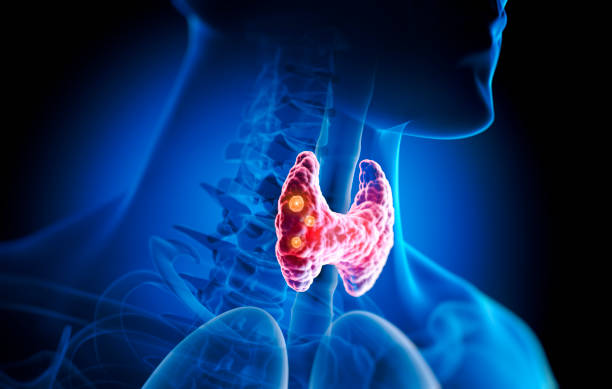
Hyperthyroidism Explained: Symptoms, Causes, Types, and Triggers
Hyperthyroidism is a condition in which the thyroid gland becomes overactive, producing excessive amounts of thyroid hormones—primarily T3 (triiodothyronine) and T4 (thyroxine). These hormones regulate metabolic rate, energy production, heart function, body temperature, and neurological activity. When they are produced in excess, the entire body is pushed into metabolic overdrive.
While hyperthyroidism is often described as “just a fast metabolism,” the reality is far more serious. If left unaddressed, it can place significant strain on the heart, nervous system, digestive system, and adrenal axis.
How Hyperthyroidism Is Diagnosed
Hyperthyroidism is typically identified through blood testing and presents with a characteristic pattern:
Low Thyroid-Stimulating Hormone (TSH)
Elevated T3 and/or T4
To understand why this matters, it helps to understand how the system is designed to work.
The Role of TSH
TSH is produced by the pituitary gland, not the thyroid itself. It acts as a regulatory signal:
When thyroid hormone levels are low, TSH rises to stimulate production.
When thyroid hormone levels are high, TSH drops to shut production down.
In hyperthyroidism, TSH becomes suppressed. This removes the body’s natural braking system. With little or no TSH present, the thyroid continues producing hormones without restraint, leading to sustained overproduction.
Common Symptoms of Hyperthyroidism
Because thyroid hormones affect virtually every cell in the body, symptoms can appear across multiple systems. Common symptoms include:
Irritability – heightened nervous system activity leads to emotional volatility
Muscle weakness – accelerated protein breakdown and poor energy efficiency
Insomnia – overstimulation of the nervous system prevents proper sleep
Increased heart rate – persistent tachycardia, even at rest
Reduced heat tolerance – excessive heat production at the cellular level
Diarrhea – increased gut motility
Unintentional weight loss – despite normal or increased food intake
Bulging eyes (exophthalmos) – particularly in autoimmune forms
Tremor – fine shaking of the hands due to nervous system overstimulation
Panic and anxiety – often misdiagnosed as purely psychological
These symptoms are not random. They reflect a system that is burning fuel faster than it can sustain itself.
Types of Hyperthyroidism
Hyperthyroidism is not a single disease. It can arise from several different mechanisms:
1. Graves’ Disease (Autoimmune)
The most common cause. The immune system produces antibodies that stimulate the thyroid directly, forcing hormone production regardless of regulatory signals.
2. Thyroid Inflammation (Thyroiditis)
Inflammation damages thyroid tissue, causing stored hormones to leak into the bloodstream. This can produce temporary hyperthyroidism.
3. Thyroid Nodules
Autonomous nodules may begin producing thyroid hormones independently of pituitary control.
4. Excessive Iodine Intake
Iodine is required for thyroid hormone synthesis. In susceptible individuals, excess iodine can overstimulate hormone production.
5. Excessive Synthetic Thyroid Hormone
Overmedication with thyroid hormone replacement can push the body into a hyperthyroid state.
Common Triggers That Can Worsen Hyperthyroidism
Certain lifestyle and dietary factors can exacerbate hyperthyroid activity, particularly in susceptible individuals.
Gluten
Gluten is a known immune trigger and may worsen autoimmune thyroid conditions through molecular mimicry and increased intestinal permeability.
Fasting, Intermittent Fasting, and Prolonged Fasting
While fasting can be beneficial in some metabolic conditions, it may increase stress hormones and aggravate hyperthyroid symptoms by placing additional strain on an already overactive system.
Adrenal Stress
The thyroid and adrenal glands are tightly linked. Chronic stress, poor sleep, and inadequate recovery can destabilize thyroid regulation further. Supporting adrenal function is often critical in stabilizing hyperthyroid symptoms.
Why Hyperthyroidism Is Often Mismanaged
Conventional treatment often focuses narrowly on suppressing thyroid hormone production or blocking its effects. While this may be necessary in some cases, it frequently overlooks:
Nutrient depletion
Mitochondrial overload
Cardiac strain
Nervous system exhaustion
Adrenal dysfunction
Hyperthyroidism is not merely a gland problem—it is a system-wide metabolic imbalance.
Key Takeaway
Hyperthyroidism represents a state of unchecked metabolic acceleration. The symptoms—ranging from anxiety and weight loss to heart rhythm disturbances—are not isolated issues but predictable consequences of excessive thyroid hormone activity without proper regulatory control.
Understanding the mechanism, triggers, and systemic impact of hyperthyroidism is essential for addressing it effectively. Managing the thyroid alone is rarely enough. Supporting the body as a whole is where real stability begins.