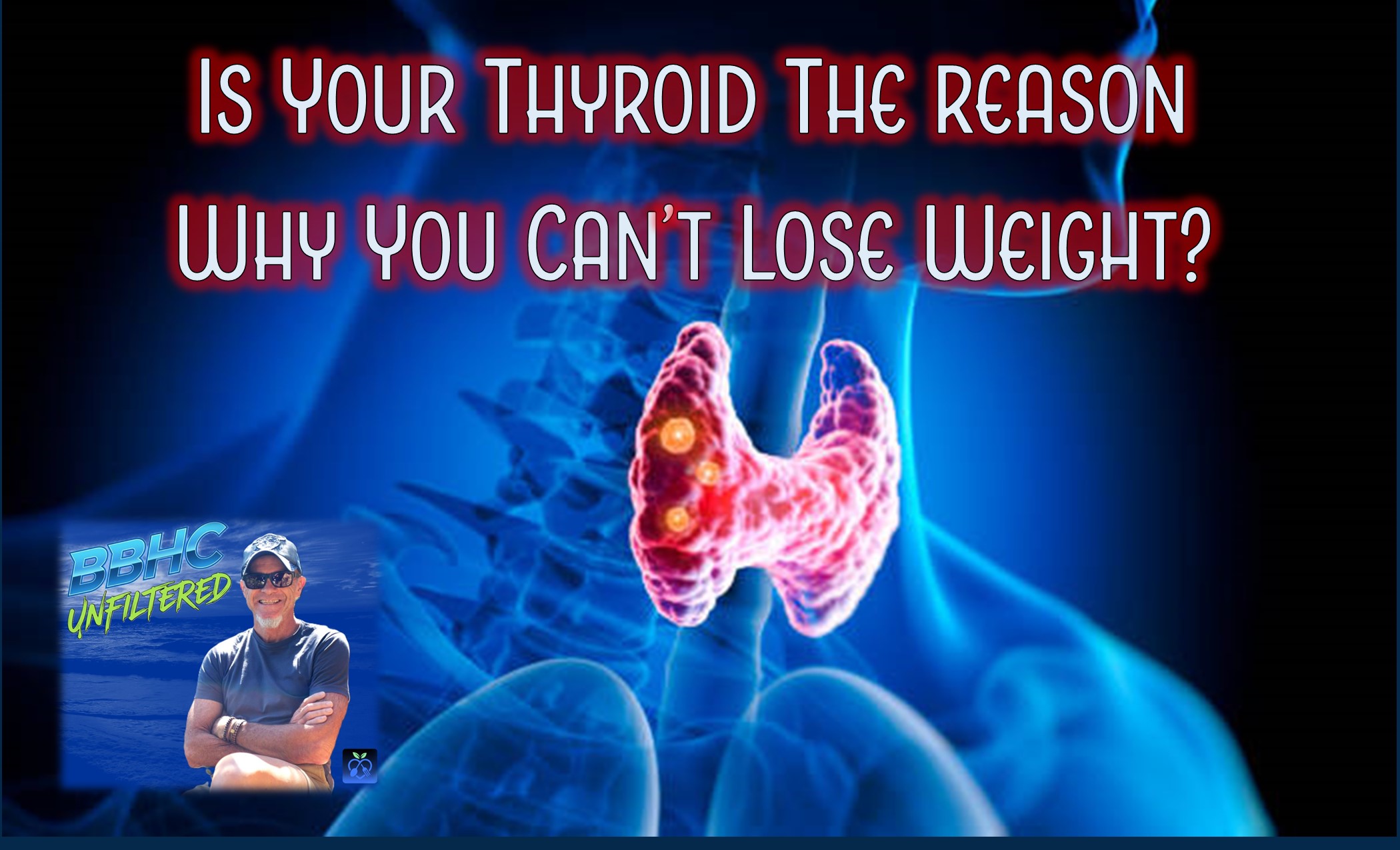

Your Blood Tests Are “Normal”… So Why Do You Still Feel Unwell?

There are few phrases in modern healthcare more misleading—and frankly more dangerous—than this one: “Your labs are normal.”

There are few phrases in modern healthcare more misleading—and frankly more dangerous—than this one: “Your labs are normal.”

A familiar story plays out every day. You start noticing thyroid symptoms—low energy, weight gain, feeling cold, hair thinning, a general sense that your body has lost its spark. You go to the doctor. You get the diagnosis: hypothyroidism. You’re prescribed Synthroid (or another thyroid hormone medication), and you’re told your thyroid hormones are low.

Thyroid problems are becoming increasingly common. Many people struggle with fatigue, weight gain, brain fog, hair loss, cold intolerance, or unexplained metabolic slowdown without fully understanding the underlying cause. In most cases, the problem is not simply a “lazy thyroid.” The real issue is often deeper and tied to immune dysfunction and nutrient deficiencies.

Hyperthyroidism is a condition in which the thyroid gland becomes overactive, producing excessive amounts of thyroid hormones—primarily T3 (triiodothyronine) and T4 (thyroxine). These hormones regulate metabolic rate, energy production, heart function, body temperature, and neurological activity. When they are produced in excess, the entire body is pushed into metabolic overdrive.