
Potassium Deficiency
Daily Potassium Needs
Your body requires more potassium than you might think. The recommended daily intake for potassium is 4700 mg, a target that many people struggle to meet. Potassium plays a crucial role in maintaining cellular function through a mechanism known as the sodium-potassium pump. This pump acts like a battery for your cells, maintaining the electrical charge necessary for essential processes like nerve signaling, muscle contraction, and fluid balance.
Best Sources of Potassium
Vegetables are by far the best source of potassium.
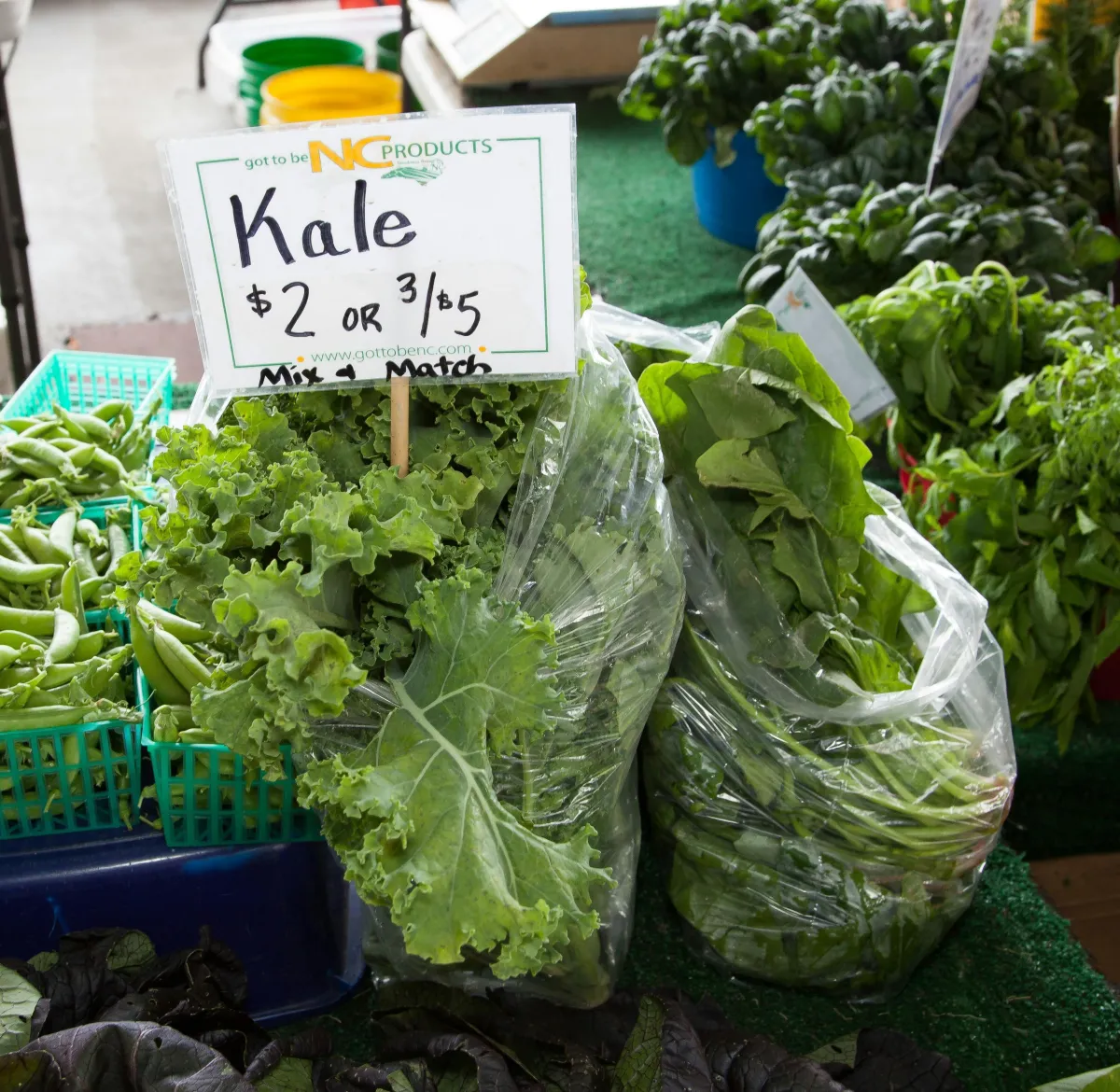
One cup of cruciferous vegetables (e.g., broccoli, kale, Brussels sprouts) provides between 500 and 800 mg of potassium. The exact amount depends on soil quality and growing conditions. To meet your potassium needs, consuming 5–10 cups of cruciferous vegetables daily can make a significant difference.
For comparison, a banana contains about 300 mg of potassium but also comes with a hefty dose of fructose, which can strain the liver. This makes potassium rich vegetables a superior choice for meeting your daily requirement without unnecessary sugar. Unfortunately, the average diet falls short, as many people eat too few vegetables.
Additionally, potassium supplements are not a viable solution, as they typically contain only 99 mg per tablet, far less than the daily requirement.
Signs and Risks of Potassium Deficiency A potassium deficiency is often overlooked in medical evaluations because its symptoms can be vague and difficult to pinpoint.
Early signs include:

• Fatigue
• Heart palpitations
• Difficulty breathing
If left unaddressed, a lack of potassium can lead to more severe conditions, such as:
• High blood pressure
• Increased risk of stroke
• Fluid retention (edema)
• Bone loss
• Kidney stones
Causes of Potassium Deficiency
Aside from inadequate dietary intake, the following factors can contribute to low potassium levels:
• Medications such as penicillin, diuretics, and steroids
• Chronic stress, which depletes potassium reserves
• High insulin levels from a high-carb diet
• Refined or processed foods, which lack essential nutrients
Additionally, certain dietary approaches, such as the keto diet or prolonged fasting, can exacerbate potassium loss. As the body sheds water weight on keto or during fasting, potassium is lost as well. Failing to replenish it can lead to deficiency. Potassium and the BBHC Health Program On the BBHC Program, consuming potassium-rich foods is a priority.
Leafy greens, such as spinach, kale, and Swiss chard, are highly recommended as they provide a concentrated source of this essential mineral. During prolonged fasting, it’s crucial to include potassium supplements to maintain electrolyte balance and prevent symptoms of deficiency.
Tips to Prevent Potassium Deficiency:
1. Focus on Whole Foods: Make vegetables the cornerstone of your diet. Aim for 5–10 cups of potassium-dense options daily.
2. Stay Hydrated: Maintain proper hydration to support electrolyte balance.
3. Supplement When Necessary: For those fasting or on keto, consider adding a high-quality potassium supplement to avoid deficiencies.
4. Break Fasts Mindfully: Avoid eating large amounts or consuming too many carbs after prolonged fasting to prevent a rapid drop in potassium levels.
Challenge: Boost Your Potassium The BBHC program encourages you to increase your intake of potassium-rich foods and monitor how you feel over time. Many participants report noticeable improvements in energy, mental clarity, and overall well-being.