
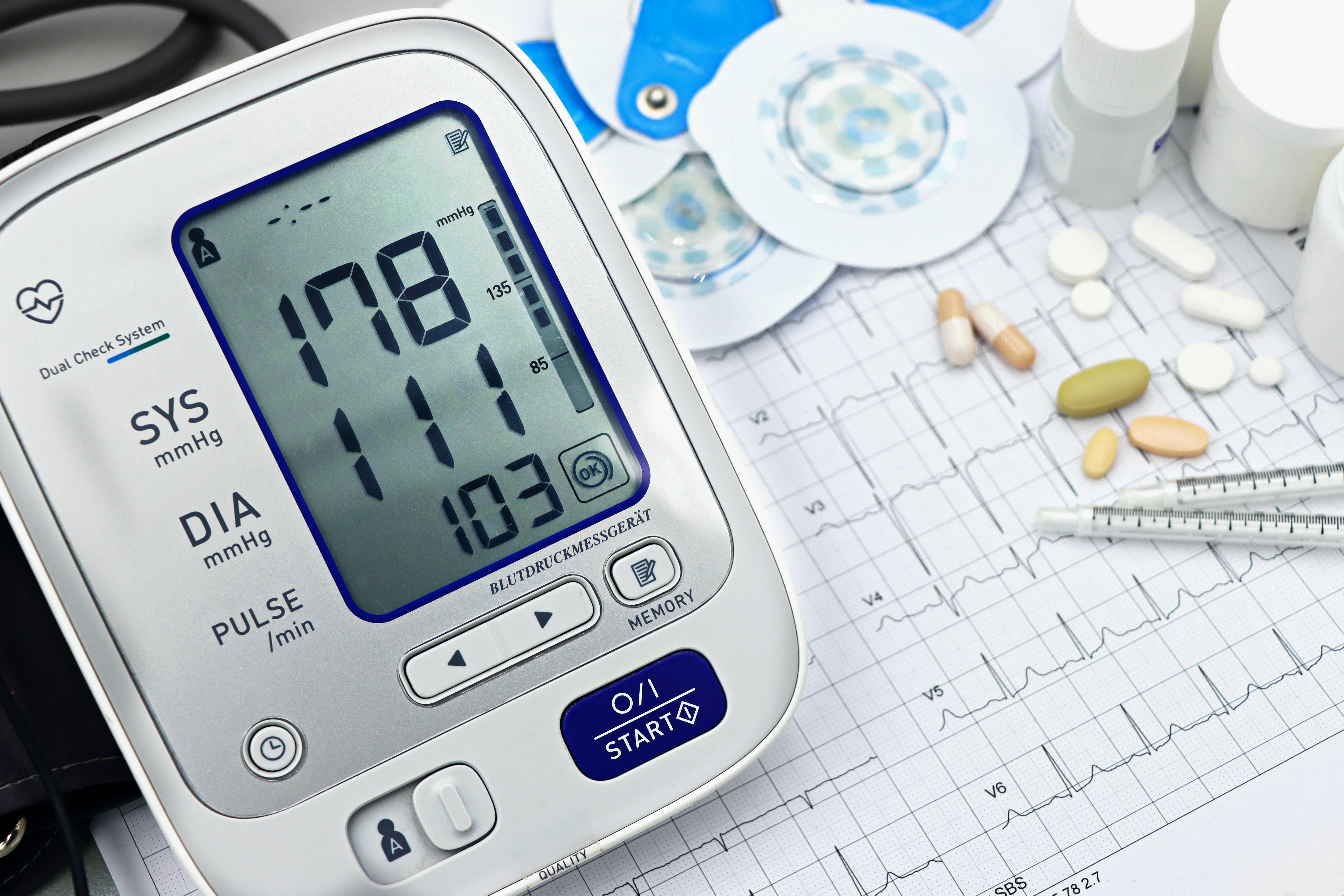
High Blood Pressure Isn’t a Genetic Curse — It’s a Mineral Deficit in Disguise
You don’t develop high blood pressure because you’re getting older.
You don’t develop it because of a “bad gene.”
You develop high blood pressure because your body has run out of what it needs to keep blood vessels relaxed.
That’s not philosophy. That’s physiology.
The Garden Hose Problem
Imagine a garden hose with water flowing through it. If you gently squeeze the hose, the water shoots out faster. The volume decreases, the pressure rises. Nothing magical happened — you simply reduced the space the water had to move through.
That’s exactly what’s happening inside your body when blood pressure rises.
Arteries, Muscles, and a Critical Difference
Your circulatory system has two main types of vessels: arteries and veins. Veins return blood to the heart. Arteries carry blood away from it. The crucial difference is that arteries have muscle in their walls, while veins do not.
Every time your heart beats, arteries must constrict and relax in rhythm — over and over, all day, every day. This flexibility allows blood to flow smoothly without excessive pressure.
But muscle contraction alone is only half the story.
Muscle must also relax.
And that’s where most people’s blood pressure problem actually begins.
The Magnesium Connection No One Talks About
Muscle relaxation requires magnesium. Without it, muscle can tighten — but it cannot fully release. When arterial muscle loses its ability to relax, vessels stay partially constricted. The hose stays squeezed.
Pressure rises.
This is why the single most common and overlooked cause of high blood pressure is magnesium deficiency. Not sodium. Not aging. Not genetics.
A deficiency.
Why Insulin Resistance Makes It Worse
Here’s where the picture gets more interesting — and more uncomfortable.
There is a direct, destructive relationship between insulin resistance and magnesium loss.
When insulin levels are chronically high:
The kidneys dump magnesium into the urine
Blood sugar swings pull magnesium out of cells
Cortisol and adrenaline increase, which rapidly deplete magnesium
Magnesium struggles to enter cells during constant “fight-or-flight” signaling
In other words, insulin resistance doesn’t just coexist with high blood pressure — it actively creates the mineral deficiency that causes it.
Nitric Oxide: The Silent Casualty
Magnesium deficiency also disrupts nitric oxide signaling, a key system that allows blood vessels to widen on demand. When nitric oxide signaling is impaired:
Blood vessels lose flexibility
Exercise tolerance drops
Systolic blood pressure rises
Circulation becomes inefficient
This isn’t coincidence. It’s a cascade.
Low magnesium tightens vessels.
Tight vessels raise pressure.
Insulin resistance drains magnesium faster than you can replace it.
Round and round the cycle goes.
Why Medications Don’t Fix the Root Problem
Most blood pressure medications force vessels to relax chemically, without restoring the mineral and metabolic conditions that allow them to relax naturally. This is why medications often need to be increased over time — the underlying deficiency remains.
Meanwhile, insulin resistance continues unchecked.
The pressure drops on paper.
The physiology remains broken.
The Real Solution Starts Upstream
If you want to normalize blood pressure instead of chasing it, the strategy must focus on:
Lowering insulin levels
Improving insulin sensitivity
Stopping magnesium loss
Restoring intracellular magnesium
Reducing stress hormones
Allowing nitric oxide signaling to recover
When insulin comes down, magnesium retention improves.
When magnesium returns to cells, vessels relax.
When vessels relax, blood pressure normalizes.
Not forcibly.
Naturally.
High blood pressure isn’t your body failing you.
It’s your body telling you it’s depleted.
Depleted of minerals.
Depleted by insulin resistance.
Depleted by chronic stress signals.
Fix the depletion, and the pressure often fixes itself.
And yes — I can walk you through exactly how to lower insulin levels naturally.