Drug Free. For Good.
Inside a Rehabilitation Program That Refuses to Give Up on People
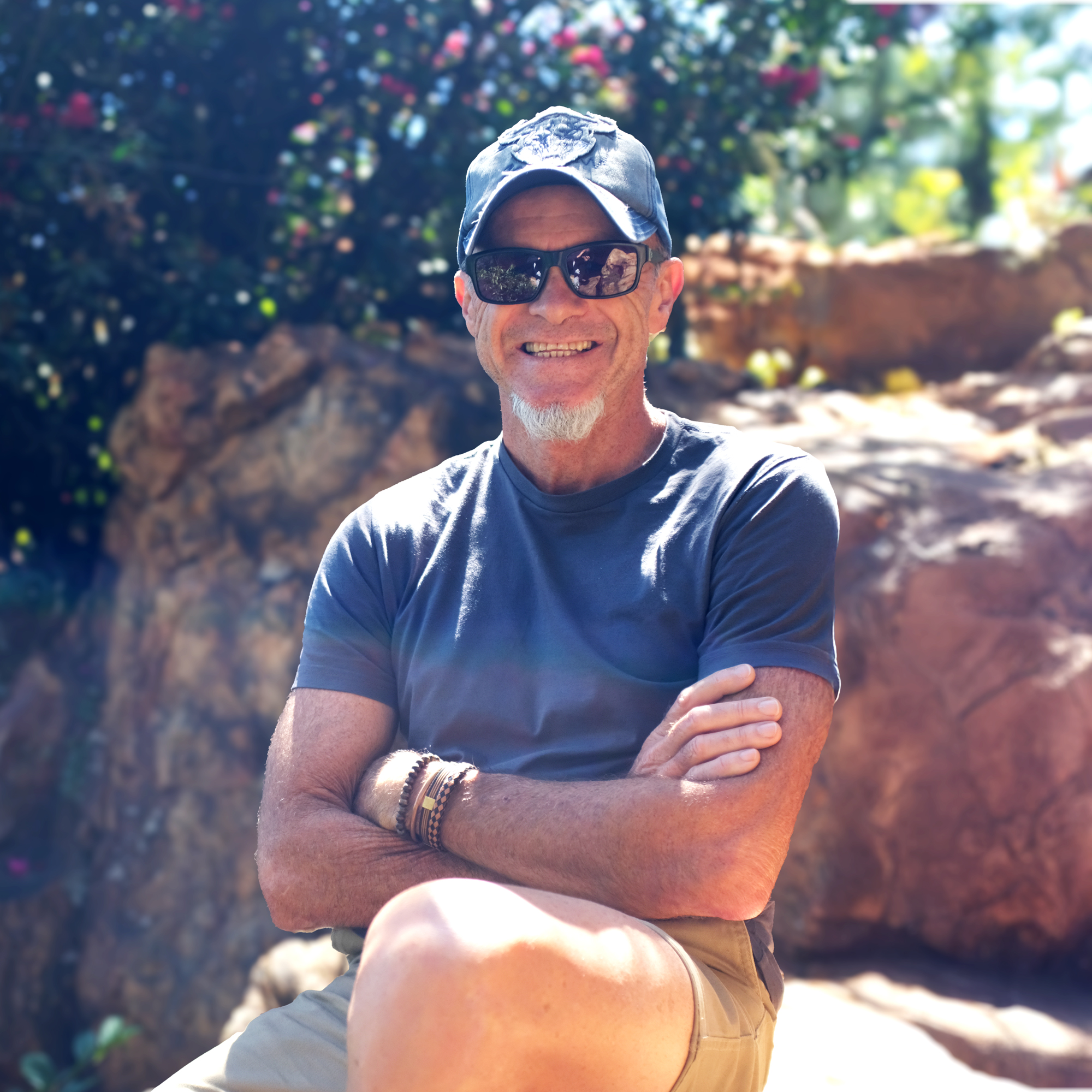
For 3 decades I have supported Narconon and their mission to both educate and prevent addiction, or bring someone back from the gates of hell. With over 100 000 kids that I've spoken to at schools, scout troops, sports clubs and even concerned parents, I still believe the job isn't done until it's done.
Narconon does not speak the language of surrender.
In a world where addiction is routinely framed as a life sentence—“once an addict, always an addict”—Narconon advances a bluntly different premise: people can recover, fully, and stay recovered. Not managed. Not maintained. Recovered.
That position alone sets it apart in a crowded rehabilitation landscape that often measures success in reduced harm rather than restored lives.
A Global Crisis, A Human Cost
There is no mistaking the scale of the problem. Drug abuse is no longer confined by borders, class, or age. It is a planet-wide epidemic, leaving families fractured and communities destabilized. For those living inside it—whether personally or through someone they love—the experience is less a statistic and more a daily emergency.
Narconon’s response to this crisis is unapologetically human: addiction is not destiny.
The Core Difference: Treat the Cause, Not the Label
Rather than defining people by their addiction, Narconon defines addiction as a condition that can be addressed at its roots. The program’s rehabilitation technology is designed to tackle the underlying drivers of substance abuse—physical, mental, and behavioral—rather than simply suppressing symptoms.
This is not a revolving-door model. The stated aim is long-term success, measured not in weeks of abstinence, but in years of drug-free living after graduation.
Nearly Five Decades of Outcomes
Narconon is not a new experiment. For close to 50 years, its programs have operated across more than 20 countries, forming a global network unified by a single goal: freeing people from addiction for good.
Success, according to Narconon, is not theoretical. It is counted in graduates—men and women once written off as “lost causes”—who now report stable, productive, drug-free lives. Week by week. Year by year. Quietly, persistently, the numbers grow.
Rejecting the “Chronic Disease” Narrative
One of Narconon’s most controversial positions is also its most hopeful: addiction is not an incurable disease. While many modern models assume lifelong dependency on treatment, medication, or supervision, Narconon insists on something more demanding—and more optimistic.
It asks a harder question: What if people could actually get better?
That belief informs every stage of the program and explains why Narconon places such emphasis on education, personal responsibility, and rebuilding life skills alongside physical recovery.
Why Individual Conversations Matter
Narconon is quick to acknowledge one reality: no two cases are identical. Addiction does not unfold the same way for everyone, and recovery cannot be one-size-fits-all. This is why the organization repeatedly emphasizes direct, human contact over generic promises.
Information matters—but conversation matters more. Speaking with someone who understands the program and your specific circumstances is presented not as a sales step, but as part of the recovery process itself.
In a Nutshell
In an era where expectations around addiction have been steadily lowered, Narconon takes the opposite stance. It raises the bar. It refuses to accept permanence where change is possible. And it continues, quietly and globally, to back that belief with decades of work and thousands of lives reclaimed.
Drug free. For good.
For some, that may sound radical. For those who have lived it, it sounds like the truth.
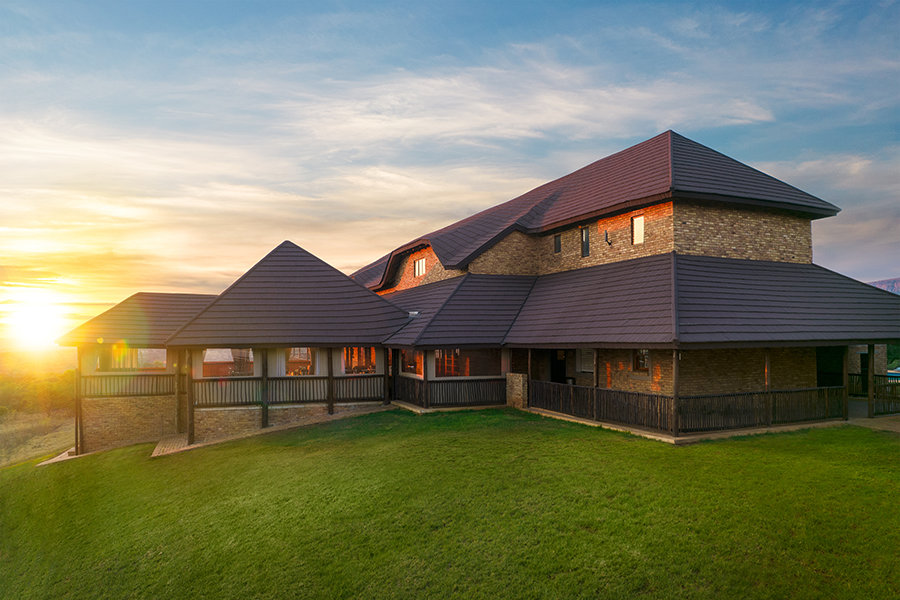
Why not come to Africa and get the best care in the surroundings of a real African game Farm? It's a world class facility with world class care.
To find out how you can help someone become drug free, check out their website https://www.narcononafrica.org.za/ or call direct 27 87 250 2727
IT'S NOT TOO LATE