
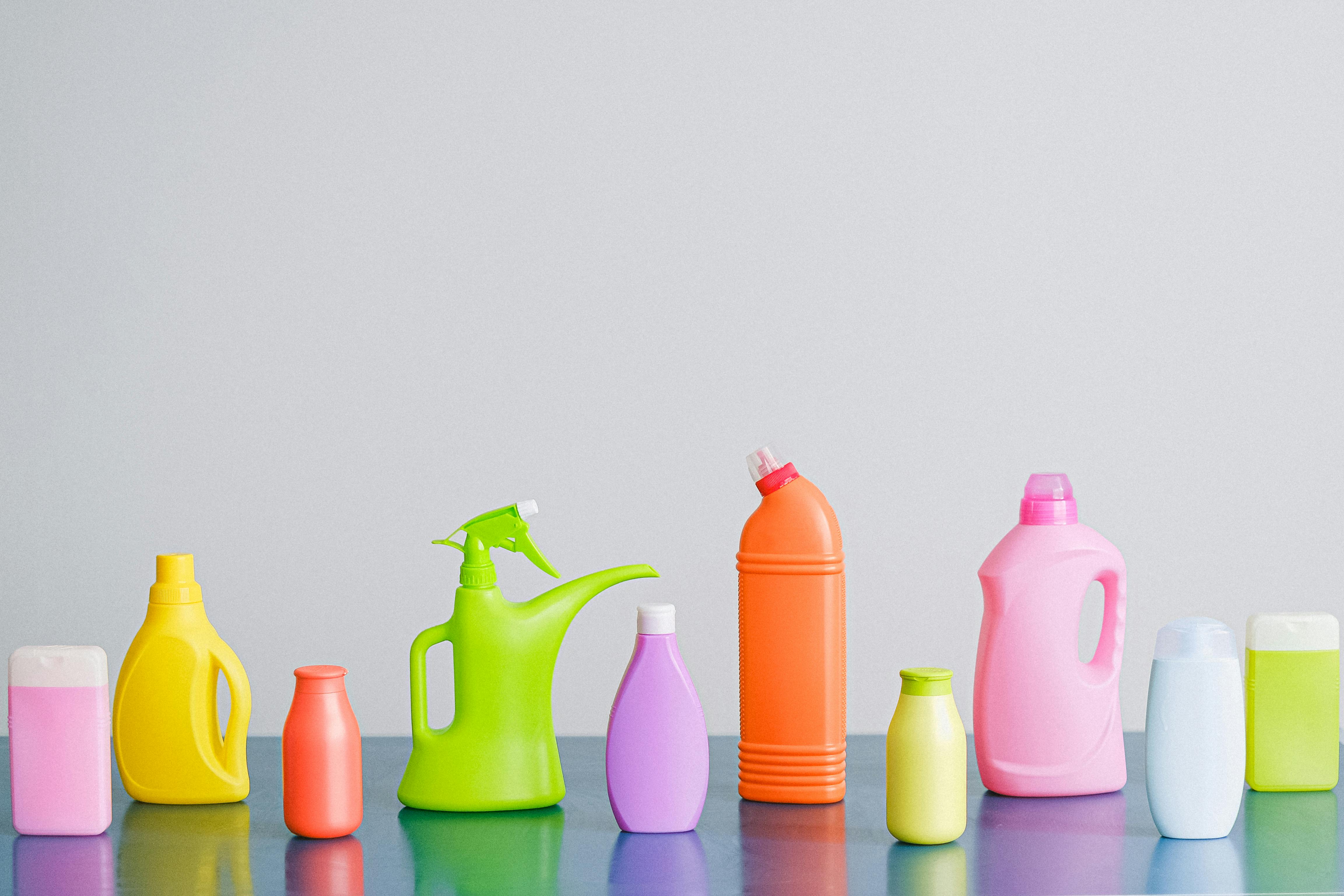
The Dirty Truth About “Clean” Products
The Dirty Truth About “Cleaning” Products: What Those Labels Really Mean
We live in a world where every bottle screams “natural,” “green,” “plant-based,” and “non-toxic.”
But here’s the thing: those words mean absolutely nothing on most cleaning-product labels.
That’s not cynicism — that’s fact.
Marketers have hijacked feel-good language, and consumers are paying for it — sometimes literally with their health.
So let’s clean up the truth about what’s actually in your cleaning supplies.
🧴 1. “Natural,” “Plant-Based,” “Non-Toxic,” and (Yes) “Organic” — Mean Nothing
Let’s start with the biggest scam in the cleaning aisle.
When you see:
Natural
Plant-based
Non-toxic
Organic
…it feels safe, right? Like something gentle and eco-friendly.
But here’s the problem — these words have no legal definition in the context of cleaning products.
None. Zero. Zilch.
The USDA Organic label applies only to food and agricultural products. Once you slap “organic” on a bottle of cleaner, it’s basically a decorative sticker — no oversight, no testing, no certification required.
In theory, you could make a “natural” cleaner using pure, uncut arsenic and still call it “non-toxic” on the label — because the law doesn’t stop you.
That’s why smart consumers (especially those of us who live clean and chemical-free) don’t trust the word “natural.”
Because as Dr. Eric Berg often says, “cyanide is natural too.”
⚗️ 2. “Antibacterial” and “Antimicrobial” — Marketing Gold, Health Disaster
These two words are probably the most abused in all of marketing — especially post-pandemic.
Here’s the truth:
Plain soap and water are already antibacterial.
You lather, you rinse, and the microbes go down the drain.
So what happens when you add “antibacterial” or “antimicrobial” ingredients?
You’re not just cleaning anymore — you’re adding pesticides.
That’s right. The same class of chemicals used to kill insects is often added to your soaps, wipes, sprays, and laundry detergents — not because it’s necessary, but because it sells.
And when you use these products routinely, you’re not just killing germs — you’re absorbing chemical residues through your skin.
Many of these compounds are endocrine disruptors and bioaccumulate in the body, which means your clean hands come at the cost of a dirty bloodstream.
BBHC Tip:
Use regular soap and water for everyday cleaning. Save the heavy hitters for actual contamination (and even then, choose wisely).
🧴 3. Solvents and Sprays — Handle with Caution
Now, let’s talk about those miracle degreasers and all-purpose sprays.
Many contain organic solvents — substances designed to dissolve oil, paint, tar, and glue.
Products like WD-40 are great for fixing a squeaky hinge but can wreak havoc inside the human body.
So if you absolutely must use them:
Open windows.
Use a fan venting outdoors.
Never breathe in the vapors directly.
Remember — these are industrial chemicals, not household air fresheners.
🌿 4. The Myth of Essential Oils and Enzymes
“Natural” doesn’t always mean “harmless.”
Essential oils can be powerful tools — but they’re also biologically active chemicals.
Some can irritate skin, trigger allergies, or cause respiratory distress in children and pets.
The same goes for enzymes. They can help break down stains or organic residue, but they’re also living proteins that can cause immune reactions if mishandled.
BBHC Advice:
Vet them like you would a supplement. Research the brand, concentration, and intended use. Don’t assume “plant-based” equals “safe.”
💡 5. The Sneaky Polluters: Optical Brighteners
You’ll find these in detergents and laundry boosters — the chemicals that make your whites “whiter than white.”
They don’t actually clean better; they just trick your eyes by coating fabrics with a fluorescent film that reflects blue light.
While most optical brighteners aren’t immediately toxic to humans, they are harmful to aquatic life when they wash down your drain and enter waterways.
So when your laundry sparkles, the local fish pay the price.
🌎 6. The Only Two Words That Matter: Biodegradable and Compostable
Want something genuinely safe for you and the planet?
Look for biodegradable and compostable at home.
If a cleaner or detergent can fully break down in soil or water, it’s unlikely to bioaccumulate or cause long-term harm.
That’s as close to “non-toxic” as you’ll ever get in the real world.
📱 7. A Tool You Can Trust: The Healthy Living App
If you want the truth — not the marketing — get the Healthy Living App by the Environmental Working Group (EWG).
It’s free.
You scan a barcode.
And it instantly shows the product’s ingredient safety scores, toxicity data, and cleaner alternatives.
Use it once and you’ll wonder how you ever shopped without it.
🧼 Bottom Line: Clean Shouldn’t Mean Chemical
The average home today contains over 60,000 synthetic chemicals, many of which were never tested for long-term health impact.
So when you clean your home, remember this:
True cleanliness doesn’t come from the lab. It comes from common sense — and ingredients that don’t need a marketing team to explain them.
BBHC Philosophy:
If it needs a label to convince you it’s “non-toxic,” it probably isn’t.
The BBHC Takeaway
Ignore buzzwords like natural, non-toxic, plant-based, organic.
Avoid antibacterial and antimicrobial unless absolutely necessary.
Ventilate when using solvents.
Be cautious with essential oils and enzymes.
Choose biodegradable and compostable products instead.
Always check ingredients with the Healthy Living app.
Your health, your hormones, and the planet will all thank you. 🌎
#BBHC #NaturalLiving #CleanLiving #HealthyHome #ToxinFree #RealHealth #BBHCLifestyle #EcoFriendly #HealthyLivingApp