
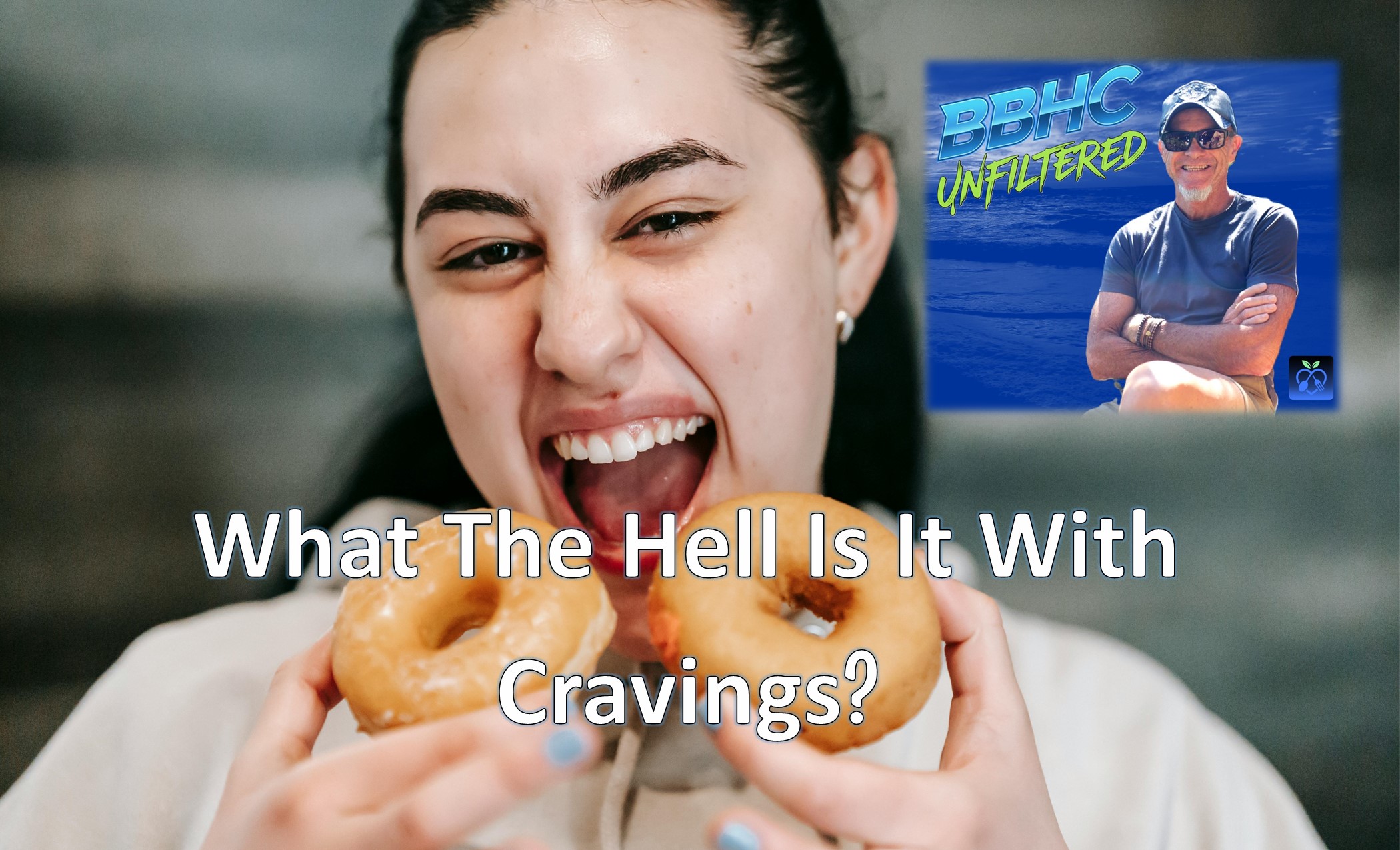
Cravings Are Not a Willpower Problem — They’re a Metabolic Signal
If cravings were about discipline, people would have solved them decades ago.
They haven’t—because cravings are not psychological weakness. They are a biological signal that something in your metabolism, hormones, or lifestyle is out of alignment.
Sugar cravings, in particular, are one of the clearest signs of unstable blood sugar and elevated insulin. Until those are corrected, cravings will continue no matter how “strong” you try to be.
Why Sugar Cravings Exist in the First Place
Cravings are driven by insulin and blood glucose volatility.
When carbohydrates—especially sugars and refined starches—are consumed, blood sugar rises rapidly. Insulin is released to clear that glucose from the bloodstream. When insulin overshoots, blood sugar drops, triggering the brain to demand quick fuel.
That demand feels like:
Urgency
Irritability
Obsession with sweets
“I need something now”
This cycle is not hunger. It’s metabolic instability.
Why a Healthy Keto Approach Changes Everything
A properly implemented ketogenic approach removes the fuel source that drives the craving loop.
By reducing carbohydrate intake to roughly 20–50 grams per day, the body transitions from glucose dependency to fat-based energy (ketones). This shift stabilizes blood sugar and dramatically lowers insulin.
When insulin stabilizes:
Energy becomes steady
Hunger normalizes
Cravings lose their intensity
The brain stops demanding sugar
This is why keto works when calorie restriction fails—it fixes the cause, not the symptom.
Hidden Carbs: The Craving Saboteur
Many people believe they are “low-carb” but unknowingly consume hidden sugars and starches through:
Processed foods
Sauces and condiments
“Healthy” snack foods
Excess nuts or berries
Even small carb excesses can:
Knock you out of fat-burning
Spike insulin
Reignite cravings
Consistency matters more than perfection. Metabolism responds to patterns, not intentions.
Stress, Sleep, and Medications: The Silent Drivers
Stress
Chronic stress raises cortisol, which raises blood sugar and blocks fat adaptation. Cortisol also makes the body crave fast energy—usually sugar.
If stress is unmanaged, cravings will persist even on a perfect diet.
Sleep
Sleep deprivation disrupts ghrelin and leptin, the hormones that regulate hunger and satiety. Poor sleep increases appetite and specifically amplifies cravings for sugar and refined carbs.
No metabolic strategy survives chronic sleep deprivation.
Medications
Certain medications—especially those affecting blood sugar or inflammation—can drive cravings by altering insulin dynamics or gut balance. This doesn’t mean stopping medication blindly, but it does mean acknowledging their metabolic impact.
Why Eating Less Often Helps Cravings
Every time you eat, insulin rises.
Frequent meals and constant snacking keep insulin elevated all day, preventing fat-burning and locking the body into glucose dependency.
Reducing meals to two or three per day, or incorporating intermittent fasting, allows insulin to fall and remain low long enough for metabolic repair to occur.
Fewer insulin spikes = fewer cravings.
Intermittent Fasting: The Craving Reset
Intermittent fasting extends the period in which the body relies on stored fat and ketones rather than glucose.
As fasting windows lengthen:
Insulin drops
Ketone production rises
Hunger hormones normalize
Cravings diminish dramatically
Fasting is not starvation when fat stores are available—it is metabolic training.
Vegetables, Fiber, and Craving Control
Non-starchy vegetables provide:
Fiber to slow digestion
Micronutrients to support metabolism
Volume that promotes satiety
Gut health support that influences appetite signaling
Fiber reduces blood sugar spikes and helps prevent the rebound hunger that drives cravings. This is why vegetables are foundational, even in a low-carb approach.
Why Cravings Fade When Metabolism Heals
Cravings disappear when:
Insulin is stable
Blood sugar is steady
Stress hormones are controlled
Sleep is sufficient
Fat becomes the primary fuel
At that point, food loses its emotional grip. Eating becomes functional, satisfying, and calm.
The Big Picture
Cravings are not your enemy.
They are feedback.
They tell you:
Insulin is too high
Stress is too constant
Sleep is insufficient
Meals are too frequent
Carbs are too dominant
Fix those inputs—and cravings resolve naturally.
You don’t beat cravings by fighting them.
You eliminate cravings by removing the metabolic conditions that create them.
When the body is fueled correctly, the noise disappears.