
What the New Food Pyramid Really Means for You
Change or More of the Same?
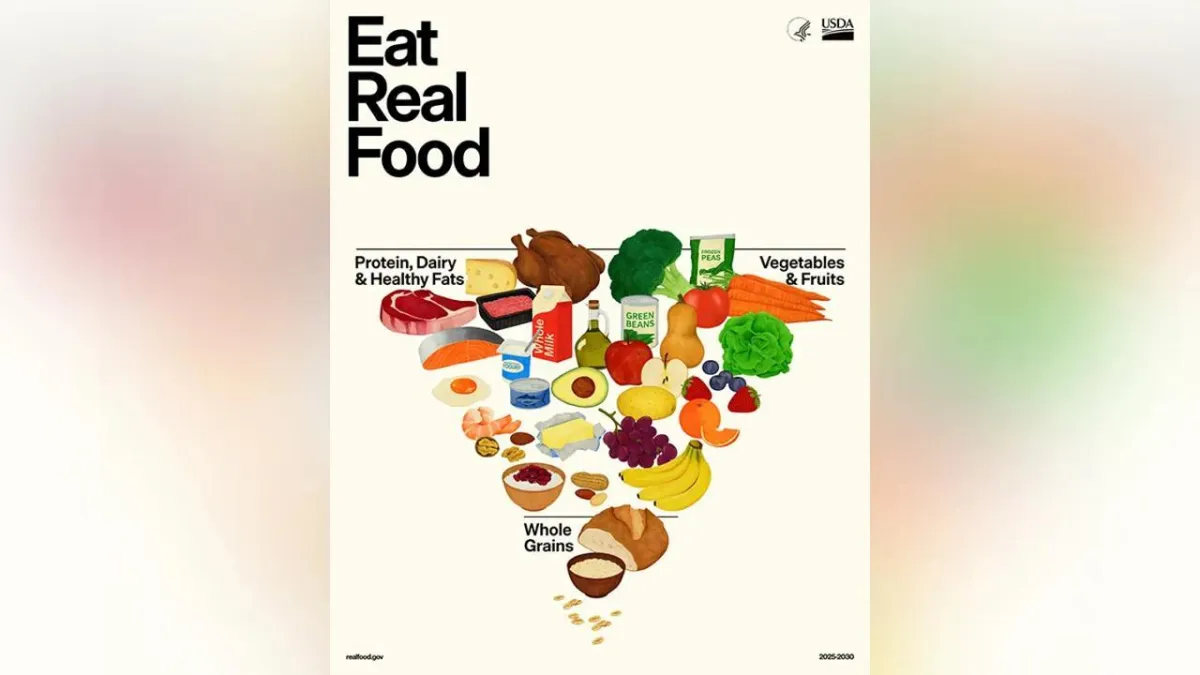
The U.S. government recently released a new version of the country’s dietary guidelines — what many people call the “food pyramid” — and it’s generating buzz for two big reasons:
It strongly discourages added sugar and ultra-processed foods
It recommends more protein and allows full-fat dairy again
But before anyone breaks out a kale smoothie in celebration or dismisses the changes as political posturing, it’s worth asking some honest questions:
What does this actually mean for you… and will anything really change?
What’s Different in the New Pyramid?
Here are the main shifts from previous versions:
✅ Sugar and Highly Processed Foods Are Clearly Identified as Harmful
Instead of soft guidelines about sugar being “ok in moderation,” the new version states:
“No amount of added sugars… is considered part of a healthy diet.”
Highly processed foods — especially those with artificial ingredients — are strongly discouraged.
This marks one of the clearest government pushes yet to acknowledge the harms of:
Soda and sweetened drinks
Packaged snacks
Fast food
Engineered food products designed for shelf life and profit
✅ Protein Recommendations Have Increased
The guidelines now suggest 1.2–1.6 grams of protein per kilogram of body weight, up from 0.8 grams.
Why this matters:
Protein supports muscle maintenance
It stabilises blood sugar
It reduces cravings
It’s core to metabolic health
For many people, this means revisiting how much protein they eat — especially as they age.
✅ Full-Fat Dairy Is Back on the Table
This is a notable reversal. Previous guidelines pushed low-fat dairy as a health priority.
Now:
Full-fat dairy is encouraged
The focus is on nutrient density, not fat fear
This acknowledges what a growing body of research has shown: fat isn’t the enemy — especially when it comes from real food.
What Didn’t Change?
Some familiar messages remain:
Eat more fruits and vegetables
Include whole grains
Keep saturated fat under 10% of calories
These aren’t dramatic shifts — they’re familiar themes from past decades.
So… Will This Change What People Eat?
Here’s the real question:
Is a new government food pyramid going to make America healthier?
The short answer is:
Possibly — but not by itself.
Here’s why.
1. Government Guidelines Don’t Automatically Change Behavior
Most people don’t read the dietary guidelines.
Most people don’t know they exist.
Even fewer apply them.
Policy changes only matter when:
Schools change meal programs
Healthcare providers start practising differently
Food environments (grocery stores, menus, cafeterias) evolve
Guidelines on a website are one thing. Eating differently every day is another.
2. People Respond to Incentives, Not Advice
If:
Food prices favour ultra-processed options
Real food is more expensive or harder to prepare
People are tired, busy, or stressed
Then guidelines become background noise.
People will eat what is:
Affordable
Convenient
Recognisable
Habitual
Changing that requires more than a new recommendation — it requires changes in:
Food systems
Incentives
Accessibility
Culture
3. Schools and Federal Programs Matter
The dietary guidelines influence:
School lunches
SNAP (food stamps) policy
Nutrition education
Healthcare nutrition advice
This means:
Children may see less processed food in schools
Commodity purchases could shift
Public health messaging may become more aligned with metabolic health
That’s significant — but slow.
4. Individuals Still Have the Final Say
Even with new guidelines:
You decide what goes in your grocery cart
You decide how to prepare your food
You decide whether to prioritise real, whole foods
Government advice doesn’t walk into your kitchen — you do.
So while the guidelines can influence:
Institutional policies
School menus
Subsidised food options
They do not override personal choice.
The real power lies in how individuals interpret and apply the recommendations.
Will This Lead to Healthier Outcomes?
The guidelines could support better health — for people who:
Understand the why (not just the what)
Prioritise nutrient-dense, minimally processed foods
Use protein strategically
Reduce added sugars as a habit, not a rule
For people who treat the pyramid as a static list of rules, change will be minimal.
For those who see it as a framework for better eating habits, it could be a meaningful shift.
The Biggest Shift Is in the Narrative
For years, dietary advice has been:
Ambiguous
Contradictory
Influenced by industry interests
Fear-driven about fats
For the first time in a long while, this guidance:
Speaks plainly about added sugar
Encourages protein and full-fat real food
Signals a shift toward metabolic health rather than calorie fear
That’s not trivial — it’s a step in the right direction.
Guidelines don't change diets — people do.
A food pyramid can point the way.
But whether someone eats whole, nutrient-dense foods… cuts back on sugar… includes enough protein… or avoids ultra-processed calories…
Those choices are made at the grocery store and in the kitchen — not in Washington, D.C.
So yes — the new food pyramid could influence policy and awareness.
But ultimately:
It’s up to each individual to decide whether the advice becomes action.