
Why I Don’t Eat in Restaurants
The Steak That Betrays You: How Seed Oils Hijack Your Food
There’s a quiet villain in the modern diet.
It’s not sugar this time (although sugar is never innocent).
It’s not carbs (those guys have their own crimes to answer for).
No — today’s culprit is far slipperier.
Literally.
We’re talking about seed oils: canola, sunflower, soybean, grapeseed, corn oil, rice bran oil… the whole industrial cocktail. The very oils your grandmother never used, your great-grandmother never heard of, and your biology never evolved to handle.
And if you think this is just another nutrition scare story, buckle up — because the truth gets spicy.
When a Steak Meets Seed Oil, Chemistry Goes to War
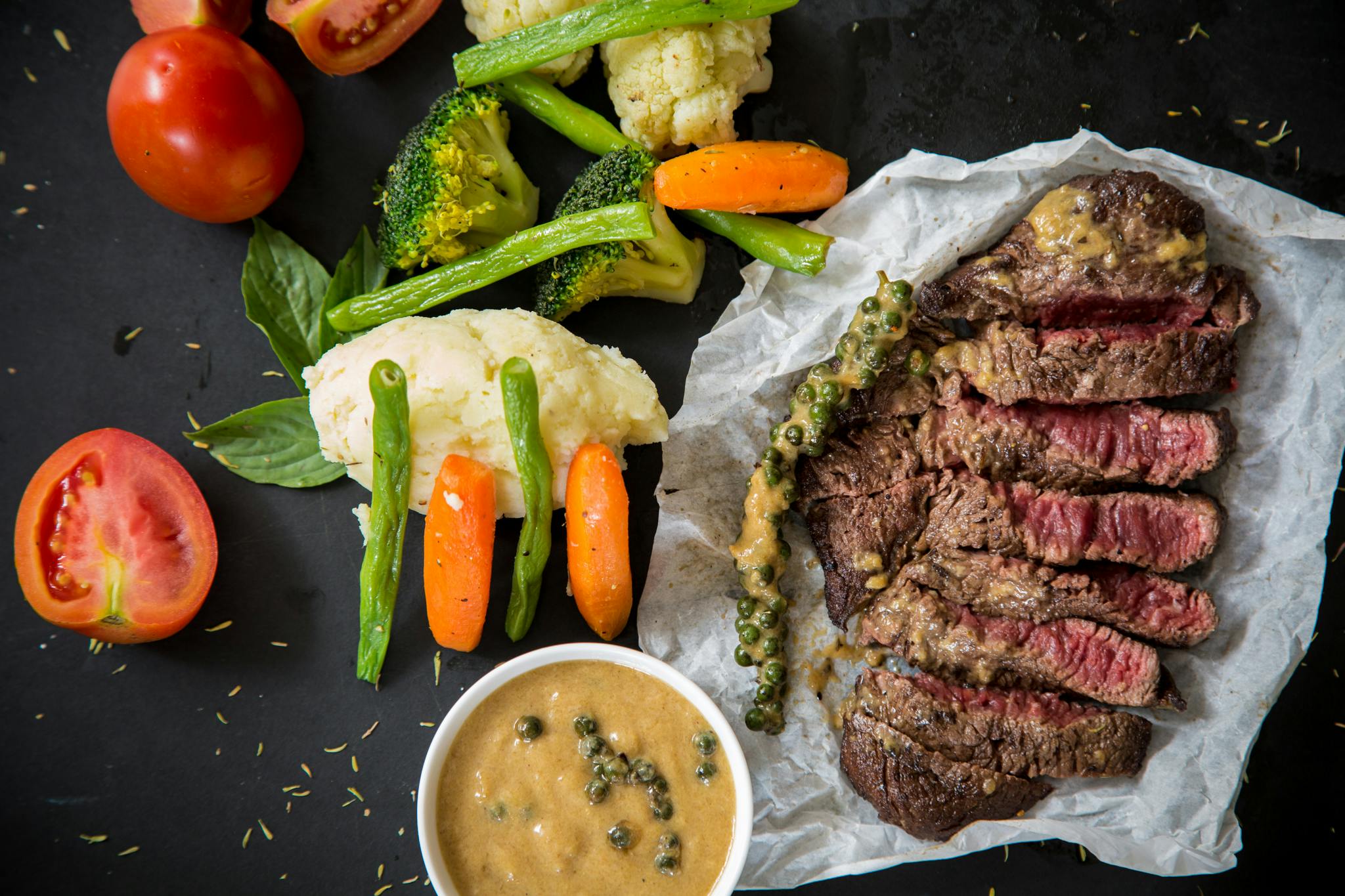
Imagine cooking a beautiful grass-fed steak.
You season it, you heat the pan, you place that glorious piece of protein down…
Now imagine doing the same thing, but the pan is filled with seed oil.
The steak looks the same.
It smells the same.
It tastes like you want to believe it’s the same.
But chemically?
It’s not even in the same species anymore.
Seed oils are packed with polyunsaturated fats (PUFAs) — unstable molecules that react faster than a politician in an election year. The moment you heat them, they start snapping apart like cheap fireworks.
At frying temperatures, these oils:
Oxidize
Break into aldehydes
Produce toxic lipid fragments
All of which your body has absolutely zero interest in — because it never evolved to metabolize them.
And here’s the kicker:
These toxic fragments don’t stay in the pan.
They cling to the steak.
They bind to the crust.
They soak into the surface.
They enter your mitochondria, your cells, your bloodstream…
Which means the steak you thought was “healthy and lean” transforms into something your liver looks at and says:
“Oh, fantastic. More chemical shrapnel.”
Same Steak. Different Chemistry. All Because of the Oil.
People love saying,
“A steak is a steak!”
Not if it’s cooked in industrial oil.
A grass-fed steak fried in tallow or ghee is a nutrient powerhouse.
The same steak fried in seed oil becomes a Trojan Horse of oxidative stress.
This isn’t exaggeration.
It’s chemistry.
So, if you care about:
inflammation
metabolic health
fat loss
mitochondrial function
longevity
feeling like a human instead of a balloon
…you need to care about what your food is cooked in.
Because the fat you cook in quite literally becomes part of you.
This Is Why I Don’t Eat in Restaurants
And now let’s talk about the part nobody wants to hear.
Even if a restaurant tells you:
“We only use olive oil!”
“We use healthy oils!”
“We cook clean!”
Please.
No, they don’t.
Restaurants are businesses first.
They cook for profit, not for your mitochondria.
Olive oil is too expensive for frying.
Avocado oil is even worse.
Butter burns.
Tallow is “not trendy.”
But seed oils?
Oh, those come in giant drums at a price that makes restaurant owners weep with joy.
So even your “healthy grilled chicken,” your “clean salad dressing,” your “pan-seared salmon” — guess what they’re cooked or soaked in?
Seed oils.
Every. Single. Time.
You might skip dessert, avoid the bread basket, order the “cleanest” thing on the menu — but the damage is already in the pan before the waiter even brings the water.
That’s why I cook at home.
That’s why I tell my clients to cook at home.
And that’s why I tell everyone:
If you wouldn’t drink the oil straight from the bottle… don’t let them cook your food in it.
Use Stable Fats — Your Cells Will Thank You
The good news?
There are fats that don’t fall apart under heat.
Fats your body actually recognizes.
Fats your ancestors used for thousands of years.
Like:
Butter
Ghee
Beef tallow
Coconut oil
Duck fat
These fats stay stable, even when hot.
They don’t oxidize.
They don’t turn into chemical chaos.
They don’t sabotage your liver or hormones.
They just… cook your food.
Beautifully.
And if you don’t want to render your own tallow or make your own ghee (although it’s ridiculously easy), you can always buy clean, grass-fed versions like Hunter & Gather, who actually care about what goes into your body.
At the End of the Day…
Your food should nourish you, not undermine you.
A steak should give you protein, strength, iron — not aldehydes and oxidative stress.
Cooking with stable fats is one of the simplest, most powerful ways to protect your health, your metabolism, and your long-term vitality.
Your cells build themselves from what you eat.
Make sure you're giving them the right materials.
And maybe — just maybe — skip the restaurants unless you’re okay with a side order of rancid oil fragments.