
Himalayan, Celtic, and Sea Salt: What Actually Matters (and What Most People Get Wrong)
Salt has become one of the most misunderstood nutrients of the modern era. Somewhere along the way, it was villainized, stripped of its context, and reduced to a single word: “bad.” But salt is not the enemy. The wrong salt, used in the wrong metabolic environment, absolutely can be a problem. The right salt, however, is essential for life, energy, hydration, nerve function, hormone balance, and even sleep.
So let’s clear the confusion and look at the real differences between Himalayan sea salt, Celtic (or Celtic) sea salt, Redmond Real Salt, Baja Gold, and the highly processed table salt that dominates supermarket shelves.
Ancient Salts vs Modern Pollution
One of the most important distinctions between salts today has nothing to do with taste and everything to do with contamination.
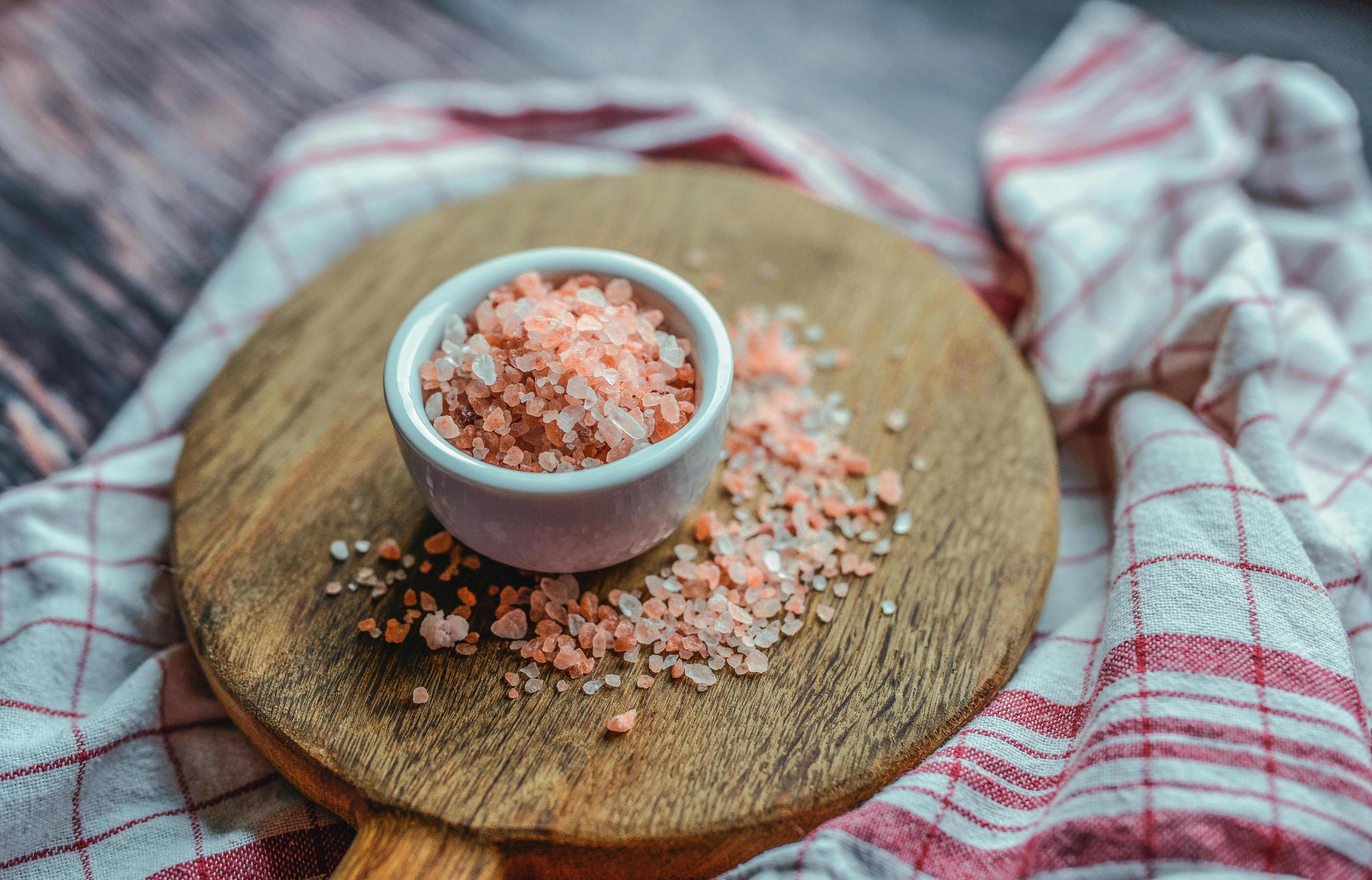
Himalayan sea salt comes from ancient salt deposits near the Himalayan mountain range, primarily mined in Pakistan. These deposits were formed millions of years ago, long before plastic pollution existed. As a result, Himalayan salt contains zero microplastics, making it one of the cleanest salts available. Its characteristic pink color comes from trace minerals such as iron and other naturally occurring elements locked into the salt structure.
Celtic sea salt is harvested from the ocean, but not in an industrial way. It is traditionally sun-dried in specific coastal regions of France using methods that have changed very little over centuries. This careful harvesting process results in salt that is extremely low in contamination, including microplastics, while retaining a rich mineral profile and a distinct flavor prized in cooking.
Redmond Real Salt is another exceptionally clean option. It is mined deep underground in Utah, protected by layers of limestone and diatomaceous earth. This geological shielding isolates the salt from surface pollution, industrial runoff, and modern contaminants.
Baja Gold sea salt is slightly different. It comes from a unique blend of ocean water and mineral-rich freshwater sources. The result is a salt that contains less sodium chloride (around 70%) and a higher proportion of trace minerals compared to most other sea salts, which typically contain 90–95% sodium chloride.
None of these salts are “good” or “bad” by default. They are simply different mineral ratios, and the best choice depends on what your body needs.
The Microplastic Problem No One Is Talking About
One of the most concerning findings in recent years is that up to 90% of commercially available salt worldwide contains microplastics. These plastics can take roughly 500 years to break down and behave in the body as endocrine disruptors, similar to pesticides, herbicides, and heavy metals.
Microplastics can interfere with hormone signaling, immune function, and cellular health. This alone is reason enough to avoid cheap, industrially processed salt of unknown origin.
Sodium Is Not Optional
Sodium chloride is not a toxin. It is a biological necessity.
Sodium and chloride are required for nerve impulses, muscle contraction, fluid balance, digestion, and cellular energy. When people become sodium-deficient, the symptoms are often misattributed to aging or poor fitness. Muscle weakness, loss of endurance, dizziness, fatigue, and low blood pressure are classic signs.
During just one hour of exercise, you can lose up to half a teaspoon of salt through sweat. Drinking four cups of coffee can result in the loss of up to four teaspoons of salt, due to caffeine’s diuretic effect. This is not trivial.
For people following a low-carbohydrate, ketogenic, or fasting-based lifestyle, sodium requirements actually increase, not decrease. Without adequate salt, people often experience dehydration, weakness, low blood pressure, and poor performance.
A general baseline recommendation for most adults is at least one level teaspoon of quality sea salt per day, before accounting for exercise, heat, or sweating.
Salt Sensitivity Is Usually Not About Salt
When someone claims to be “salt sensitive,” the issue is rarely salt itself. The two most common underlying causes are potassium deficiency and insulin resistance.
Sodium and potassium work as a team. When potassium intake is too low, sodium balance is disrupted. Additionally, insulin resistance alters kidney handling of sodium. Interestingly, when people reduce carbohydrates and improve insulin sensitivity, salt sensitivity often disappears entirely.
This is why individuals on ketogenic or low-carbohydrate diets frequently report feeling better with more salt, not less.
Salt, Stress, and Sleep
Sodium plays a critical role in nervous system balance. When sodium is deficient, the body compensates by activating the sympathetic nervous system—the fight-or-flight response. This increases adrenal stress, anxiety, and sleep disturbances.
A simple and often dramatic intervention for stress-related insomnia is consuming a small amount of sea salt before bed—either dissolved in water or placed under the tongue. For many people, this improves sleep quality almost immediately by calming the nervous system and supporting adrenal function.
Hydration Requires Electrolytes
Drinking water alone does not guarantee hydration. To move water into cells, the body requires electrolytes—especially sodium and potassium. Without them, water simply passes through the system.
Sea salt provides not only sodium chloride, but also trace minerals such as iodine, selenium, calcium, and magnesium, all of which support immune function, enzyme activity, and metabolic health.
Why Table Salt Falls Short
Table salt is a refined, industrial product stripped of its natural mineral content. It often contains anti-caking agents, poor-quality iodine, and in some cases even added sugar. It provides sodium chloride without the supporting trace minerals that make salt biologically functional.
Modern agriculture further compounds the problem. Many soils are replenished only with nitrogen, phosphorus, and potassium (NPK), leaving foods deficient in trace minerals. Hydroponic and aeroponic systems typically provide only a limited mineral spectrum. High-quality sea salt helps bridge that gap.
Salt, Immunity, and Performance
Adequate salt intake supports immune defense, particularly in the sinuses and upper respiratory tract. Saline nasal rinses have been shown to reduce bacterial and viral loads. Athletes and individuals training in hot environments can lose 1,800 mg of sodium per hour, and in some cases up to 6,000 mg per day.
Ironically, excessively reducing salt can raise blood pressure by overstressing the adrenal system and increasing sympathetic activity.
Salt is not the problem. Processed food, refined carbohydrates, insulin resistance, mineral depletion, and contaminated sources are the problem.
Choosing a clean, mineral-rich sea salt—such as Himalayan, Celtic, Redmond Real Salt, or Baja Gold—while matching intake to activity level, carbohydrate intake, and potassium status is not only safe, it is essential for optimal health.
If you are fasting, exercising, eating low-carb, or under chronic stress, salt is not optional. It is foundational.