
Keto vs Carbs
For years, athletes have been warned that a ketogenic diet will wreck their performance, drain their muscles, and leave them crawling instead of sprinting. “You need carbs for power,” the story goes. “If you cut them, you’ll get weak.”
But when you actually look at what happens in the real world — and in real science — a very different picture emerges.
In 2012, a controlled study on elite athletes tested this exact fear: does keto hurt strength performance? The answer was blunt: no. Strength didn’t drop. Power didn’t collapse. These athletes didn’t fall apart in the gym just because they weren’t living on pasta and bread. In 2018, another study looked at deep-sea divers following a ketogenic protocol and found significantly reduced oxidative stress and inflammation, meaning their tissues were under less damage and could perform better, for longer, under extreme conditions.
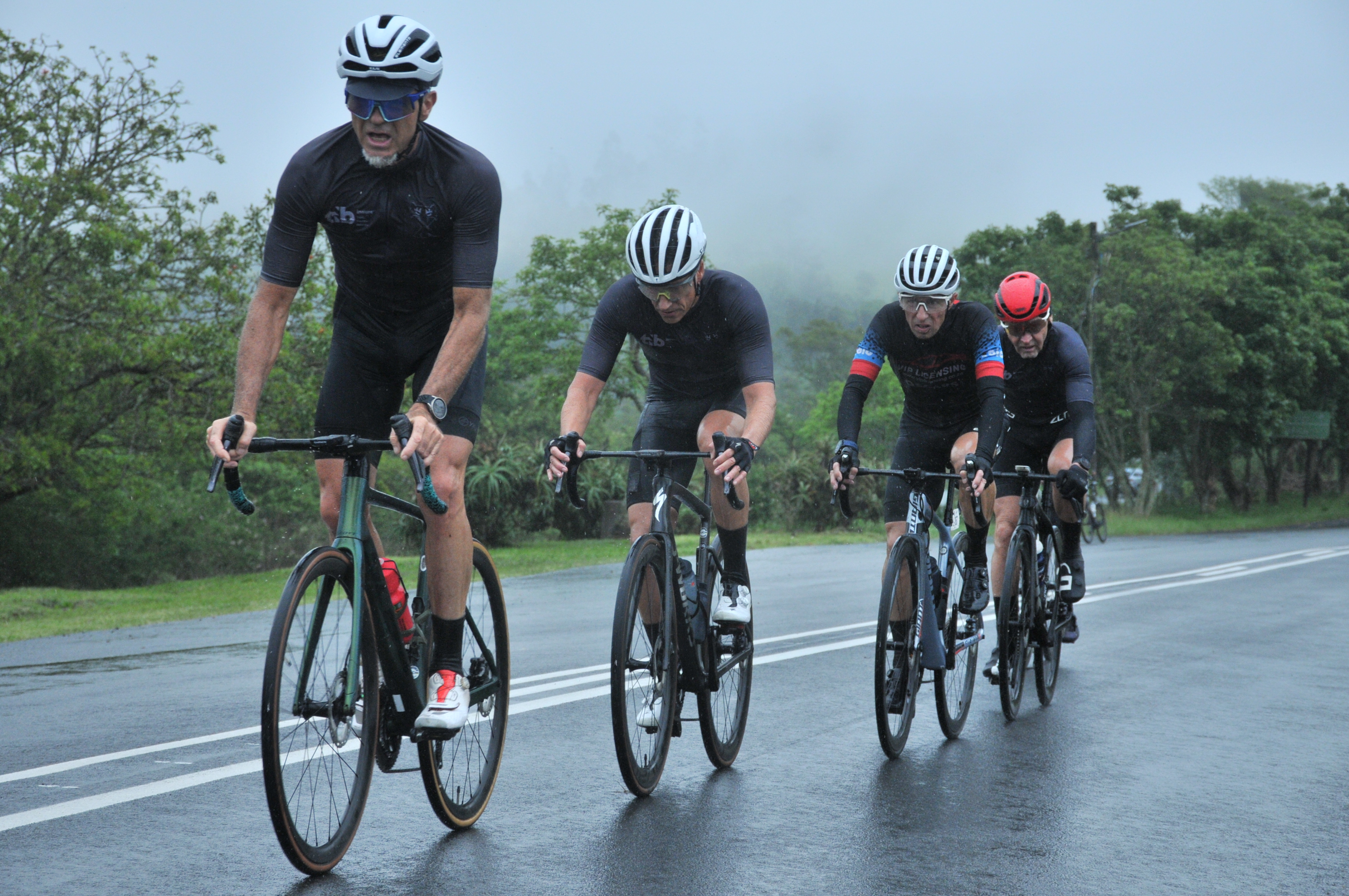
Cyclists, too, have been put under the microscope. When endurance athletes were placed on a ketogenic plan, their endurance did not collapse as predicted. Their bodies simply changed fuel systems.
And that’s the key point: keto doesn’t “ruin performance.” It changes how you’re powered.
The Myth That Carbs Build Muscle
One of the most persistent myths in sport nutrition is that carbohydrates build muscle. They don’t.
Muscle is made of protein. Muscle is built by resistance training and amino acids, not by bread rolls and sports drinks.
It’s true that insulin plays a role in growth. It’s an anabolic hormone — it helps drive nutrients into cells, including muscle cells. But here’s the part nobody on the high-carb side likes to emphasize: insulin isn’t only stimulated by carbs. Protein also triggers insulin. Every time you eat a steak, eggs, or a piece of salmon, you get an insulin response.
So the idea that you must drown your system in carbohydrates to grow muscle is simply outdated. You need stimulus (training) and building blocks (protein). Keto doesn’t remove either of those. In fact, when it’s done correctly — especially alongside intermittent fasting — it improves the environment those muscles grow in.
The Real Enemy: Insulin Resistance from High Carbs
Most modern athletes — and most modern humans — are living with some degree of insulin resistance. That means their cells are increasingly deaf to insulin’s signal. The body has to pump out more and more insulin just to get the same effect, because the system is overloaded with sugar and starch all day, every day.
This doesn’t just affect blood sugar. It affects muscle growth, recovery, fat burning, and energy.
When you bring carbohydrates way down and add intermittent fasting, something powerful happens: insulin resistance starts to reverse. The body no longer has to scream with massive insulin spikes just to get nutrients into the cells. A lower amount of insulin becomes more effective. Amino acid uptake improves. Nutrient absorption improves. Muscles actually get more of what they need, with less hormonal chaos in the background.
So while the high-carb athlete is riding a blood sugar rollercoaster and constantly fighting inflammation, the keto-adapted athlete is running on a cleaner, steadier, more efficient system.
How the Body Really Fuels Itself on Keto
When you follow a properly designed ketogenic plan — not just “low carb” junk but a healthy keto approach with real food, good fats, quality protein, and plenty of vegetables — your body doesn’t just “run out of fuel.” It switches to a superior one.
You start running primarily on ketones and fatty acids. A portion of your body will still use glucose, but here’s the crucial point: you do not have to eat carbs to have glucose. Your liver can make all the glucose you need through gluconeogenesis — a built-in survival system where it converts amino acids and certain byproducts of fat metabolism into glucose on demand.
Carbohydrates are not an essential nutrient. There is no such thing as a “carbohydrate deficiency disease.” There is, however, such a thing as carbohydrate overload, which we see every day as obesity, fatty liver, diabetes, cardiovascular damage, and accelerated aging.
The one thing athletes often do feel at the beginning of keto is a transition phase — the so-called “keto adaptation” period. For about three to four days, sometimes up to a week in very carb-dependent people, there can be fatigue, brain fog, or sluggish training sessions.
That’s not failure. That’s the fuel system changing over. It’s like rewiring an engine while the car is still moving. During this period, the body is depleting glycogen, up-regulating fat-burning enzymes, and adjusting electrolyte and B-vitamin needs. Once that phase is over, something remarkable happens: energy climbs, not drops.
You start tapping your own fat reserves efficiently. And that changes everything.
When Athletes Become Fat-Burning Machines
Some athletes who commit fully to keto and give their bodies time to adapt develop extraordinary fat-oxidation capacity. Their muscles become literal fat-burning machines. They can oxidize fat at rates far higher than carb-dependent athletes, which means their fuel tank is gigantic.
Think about it: even a lean athlete has tens of thousands of calories stored as fat, but only a few thousand as glycogen. If your performance is chained to carbohydrates, you’re constantly chasing refuelling — gels, drinks, bars — and fighting the bonk.
If your engine runs on fat and ketones, you’re tapping into a nearly endless source of energy that doesn’t need to be topped up every 45 minutes.
We’ve seen ultra-endurance athletes prove this on the world stage. Prominent ultramarathon runners have set records while openly following strict ketogenic or very low-carb high-fat strategies. One of them, Zach Bitter, became known for shattering the American 100-mile record while being fat-adapted. He ran what most humans can’t even conceptualize — a hundred miles at a record pace — not on sugar gels, but on a metabolism trained to run on fat.
In cycling, multiple case series and studies have followed low-carb, keto-adapted riders whose endurance remained solid while their reliance on sugar was dramatically reduced. Deep-sea divers in the 2018 study showed lower oxidative stress and inflammation on keto, meaning less damage accumulating while under extreme conditions. The same physiology applies to runners, cyclists, rowers, fighters — any athlete who pushes the limits of human performance.
Lower oxidative stress means less tissue breakdown. Less inflammatory damage. Better recovery. More training days at higher quality.
Why High-Carb Strategies Backfire Over Time
The conventional sports nutrition model pushes high carbohydrates as the cornerstone of performance: load the glycogen, spike the sugar, keep the tank “topped up.” On the surface, it seems logical — until you look at the cost.
High carbs mean chronically high insulin. Chronically high insulin drives:
Blood sugar volatility
Fat storage, especially around the midsection
Increased oxidative stress
Endothelial damage in blood vessels
Higher levels of advanced glycation end products (AGEs), which literally stiffen and age tissues
Increased inflammatory markers
For an athlete, that means more fatigue, more soreness, slower recovery, higher injury risk, and long-term damage to the very systems you rely on: heart, vessels, joints, brain.
You don’t just pay for today’s carb load with a good workout. You pay for it with tomorrow’s inflammation, next year’s metabolic damage, and a shorter performance lifespan.
And paradoxically, many high-carb athletes never truly get into their fat stores. They’re constantly running on glycogen and exogenous sugar. Once that runs out, they hit the wall — not because the body is empty, but because it’s never been allowed to use its main fuel reserve.
Intermittent Fasting, Muscle Preservation, and Growth Hormone
Another fear around keto, especially when paired with intermittent fasting, is muscle loss. “If I don’t eat every three hours, I’ll lose size.” That line has been drilled into athletes for decades.
But physiology says otherwise.
When you fast strategically and keep insulin low, your body increases growth hormone — a powerful hormone that helps preserve lean muscle mass and mobilize fat. Both keto and intermittent fasting have a muscle-sparing effect when protein intake and training are properly matched.
In a well-designed keto plan, you’re not starving your body. You’re removing the constant carb chaos and letting the hormonal environment stabilize. Muscle is preserved. Fat is used. Performance is maintained — and often improved — because your system isn’t constantly swinging between high sugar and reactive crashes.
Remember, muscle breakdown and under-recovery happen more aggressively in an inflamed, high-insulin, high-glucose environment. Keto reduces that environment.
Case Studies: Performance on Strict Keto
Take the ultra runners who routinely cover 50, 100, even 200 miles. Several of the top names in that world have publicly committed to low-carb or ketogenic approaches. Their reasons are consistent: more stable energy, fewer GI problems, less reliance on sugar, better recovery. They’re not just “surviving” on keto. They’re dominating.
Or consider strength athletes who transition to keto and, after the adaptation phase, report holding or even increasing their lifts while dropping body fat and improving joint comfort. With improved insulin sensitivity and better nutrient partitioning, their muscles continue to grow or maintain size, while their inflammation and aches decline.
In deep-sea diving and military communities, where endurance under stress and cognitive clarity are non-negotiable, ketogenic strategies have been used to blunt oxidative damage and preserve performance under extreme pressure. Less oxidative stress, fewer free radicals, more resilience — the exact opposite of what the high-carb, high-insulin environment generates.
These are not theoretical advantages. They are lived realities for athletes who commit to the process, respect the adaptation window, and feed their bodies real food: healthy fats, adequate protein, low carbs, electrolytes, and nutrients.
So, Does Keto Decrease Fitness Performance or Destroy Muscle?
When you zoom out and look at physiology, research, and real athletes, the answer is clear: no. In fact, when it’s done correctly, keto often does the opposite.
Once you’re adapted, you:
Rely on a deeper, more stable fuel source
Reduce oxidative stress and inflammation
Improve insulin sensitivity
Preserve muscle through growth hormone and adequate protein
Avoid the metabolic damage of chronically high carbohydrates
High-carb strategies may give you short-term bursts. But they also give you long-term wear and tear. High insulin. High oxidative stress. High glycation. A system that’s constantly paying the price for “quick energy.”
Keto, especially when aligned with a structured program like BBHC’s approach — high vegetables, moderate protein, healthy fats, no sugar, no grains — gives you something different: a body that runs cleaner, recovers better, and lasts longer.
So the real question isn’t, “Will keto hurt my performance?”
The real question is, “How much longer am I going to let high carbs damage my body before I switch to the fuel my system was designed to use?”