When Being Dumb Became Cool (And Why That’s a Problem for Your Health)
At some point—and we should probably put up a historical plaque for it—being dumb became fashionable.
For most of the 20th century, competence had status.
Teachers were respected. Scientists were admired. Engineers built things that lasted longer than a TikTok trend. Journalists actually asked uncomfortable questions. Even television reflected this reality: sitcoms revolved around problem-solving, learning lessons, and occasionally growing as a human being.
Yes, there was always a fool in the story—but the fool was there for contrast.
He wasn’t the hero.
He wasn’t aspirational.
And no one was told, “Be more like that guy.”
Then somewhere between the late 1970s and the 1990s, the cultural script flipped.
The loudest character became the star.
The dumbest one became “relatable.”
And caring—actually caring—became deeply uncool.
When Trying Became Embarrassing
Suddenly:
Knowing things was “nerdy”
Asking questions was “trying too hard”
Curiosity was suspicious
Not caring looked confident
And kids noticed.
Hands stopped going up in classrooms—not because students didn’t know the answer, but because pretending not to know felt safer than standing out. When curiosity disappears, questions disappear with it.
And when questions disappear, so does resistance.
No one asks:
Why ultra-processed food dominates supermarket shelves
Why cigarette companies replaced tobacco with “reduced harm” narratives
Why profits soar while health collapses
Why chronic disease now starts in childhood
A disengaged population doesn’t resist.
It consumes.
The Health Cost of Playing Dumb
This cultural shift didn’t just make conversations dumber—it made people sicker.
When curiosity dies:
Food labels stop being questioned
Marketing claims replace biology
Convenience replaces nourishment
Authority replaces understanding
From a BBHC perspective, this is catastrophic.
You cannot reclaim your health if you outsource thinking.
You cannot fix metabolic damage while trusting the same system that caused it.
And you absolutely cannot improve outcomes if asking “why” feels socially risky.
Real health requires engagement.
And engagement requires thinking.
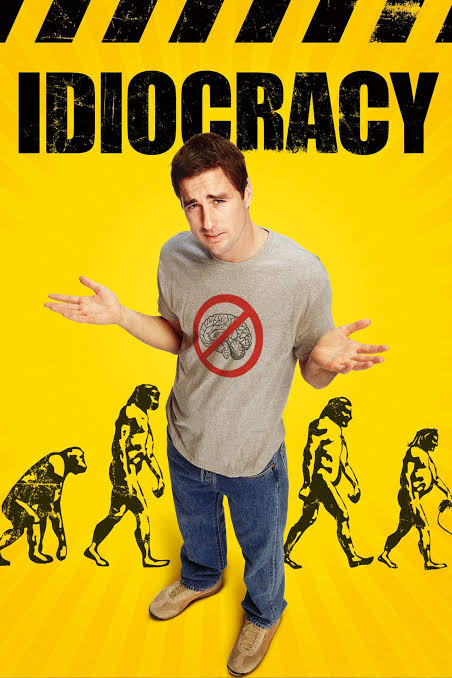
Idiocracy Wasn’t a Comedy—It Was a Documentary Trailer
When Idiocracy came out, people laughed. Which was fun, and it was a rather dark comedy.
The movie wasn’t mocking intelligence—it was warning us what happens when ignorance becomes the cultural default and curiosity becomes rebellion.
Because once stupidity is celebrated:
Real food sounds extreme
Reading labels sounds obsessive
Understanding insulin sounds unnecessary
Questioning seed oils sounds conspiratorial
Asking why obesity and diabetes exploded sounds rude
Meanwhile, ultra-processed food quietly rewires metabolism, hormones, and appetite—no thinking required. Just open, chew, repeat.
Curiosity Is the First Step Back to Health
Here’s the uncomfortable truth:
Reconnecting with real food requires thinking.
It requires asking questions like:
What did humans eat before factories existed?
Why does food now need ingredient lists longer than legal contracts?
Why do “heart-healthy” foods correlate with rising heart disease?
Why do people get hungrier the more they eat?
BBHC doesn’t ask you to blindly follow rules.
It asks you to understand mechanisms.
That’s why BBHC principles are simple but not shallow:
Real food over engineered food
Fewer meals, not constant grazing
Stable blood sugar over emotional eating
Metabolic health over calorie obsession
Personal responsibility over blind trust
This isn’t rebellion.
It’s literacy.
Why Caring Is Actually the Coolest Thing You Can Do
Caring isn’t weakness.
Caring is engagement.
It’s saying:
“I want to understand what I’m putting in my body”
“I want to know how my metabolism works”
“I don’t want to outsource my health to marketing departments”
In a culture that rewards passivity, curiosity is disruptive.
In a food system built on compliance, thinking is dangerous.
Which is exactly why it matters.
Real Health Starts With Real Questions
If you’re trying to reconnect with:
Real food
Real biology
Real responsibility
Real understanding
You’re not being difficult.
You’re not being extreme.
You’re not being anti-anything.
You’re simply opting out of fashionable ignorance.
And in a world where being dumb became cool, thinking is the most radical health decision you can make.
That’s not just a BBHC principle.
That’s survival.