
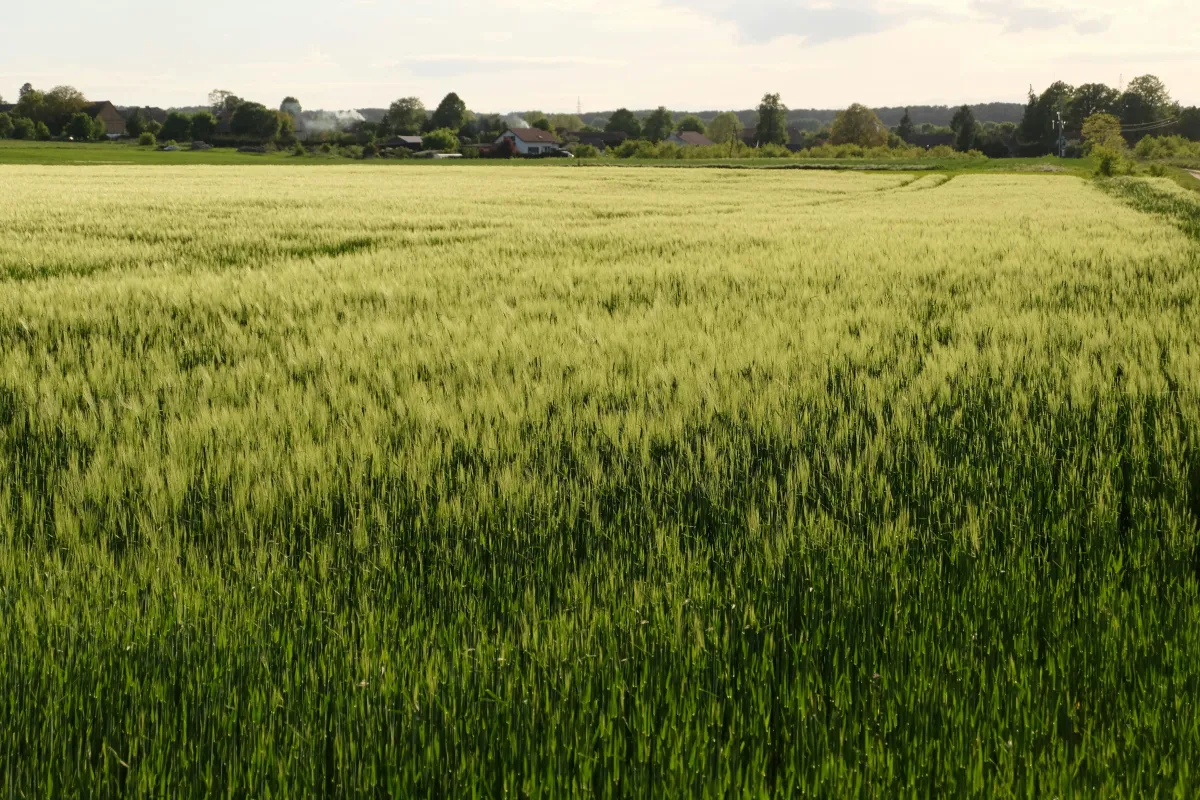
From Soil to Factory: How Our Farmland Stopped Feeding Us and Started Feeding Industry
Did you know that around 80% of the world’s farmland is now dedicated to producing ultra-processed food? That’s roughly 900 million hectares—almost twice the size of the entire European Union. Yet, less than 12% of all farmland is used to grow the things that actually sustain human life: fruits, vegetables, nuts, and pulses.
The imbalance is staggering. In the UK alone, about 9.5 million tons of food are thrown away each year, and fresh vegetables are among the most wasted. Meanwhile, the nation consumes nine million loaves of bread every single day—that’s over three billion loaves a year, enough to circle the Earth 25 times if laid end to end.
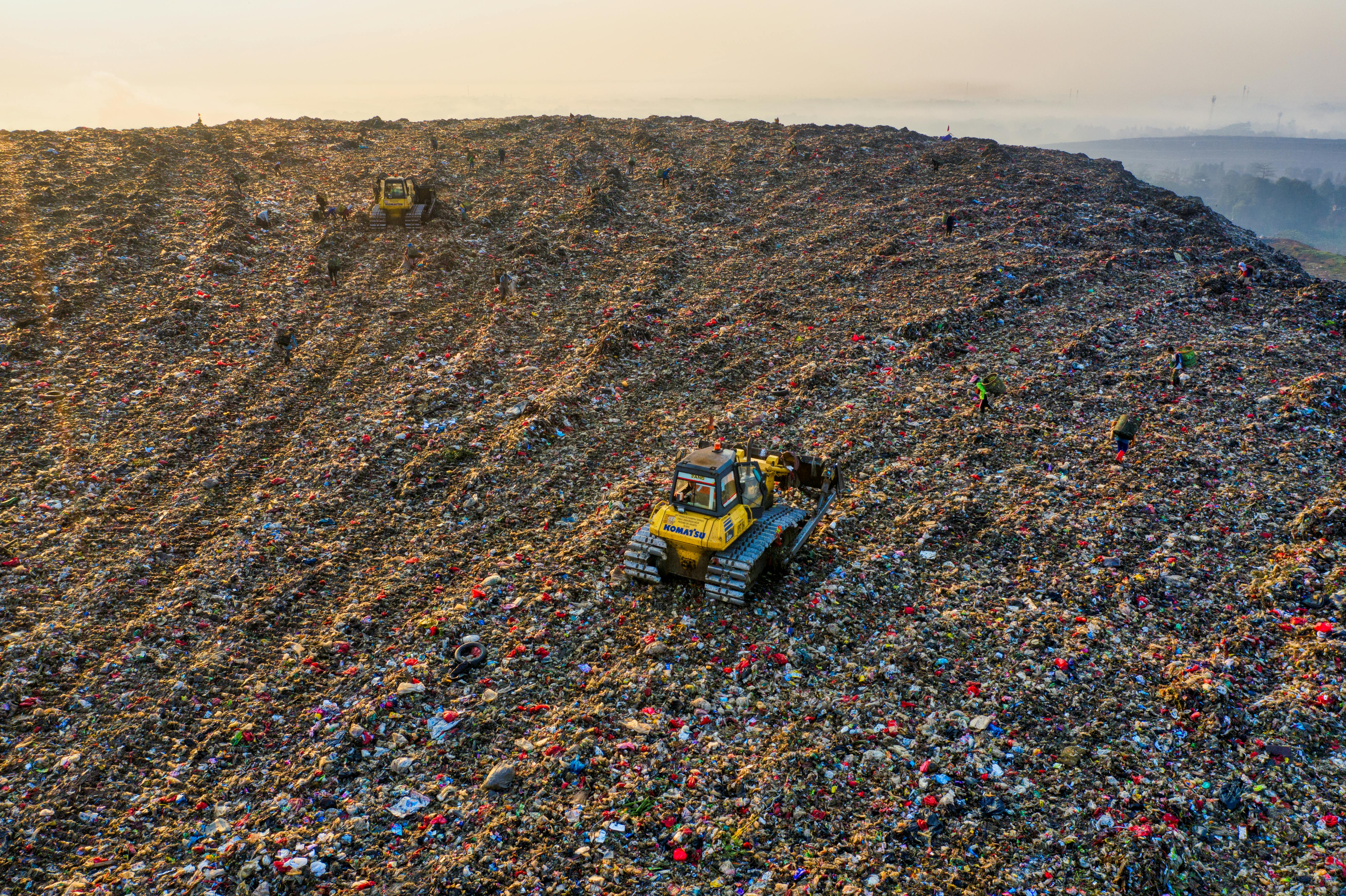
If global agriculture focused mainly on growing foods that truly nourish us, we could free vast areas of land and still feed everyone well. But instead, we’ve turned much of our farmland into industrial food factories.
The world’s soil now feeds machines and markets, not people. Soy and corn are grown to feed cows for fast-food burgers, wheat is used for supermarket bread, and palm oil and sugar go into factory-made snacks and cereal boxes. The land that once produced diverse, nutrient-rich food has become the backbone of a global processed food industry.
The turning point came in the 1950s, when the age of industrial oil began. Before then, vegetable oils made up only about 10% of our dietary fat. Most people cooked with butter, tallow, or olive oil—real, natural fats. But things changed fast.
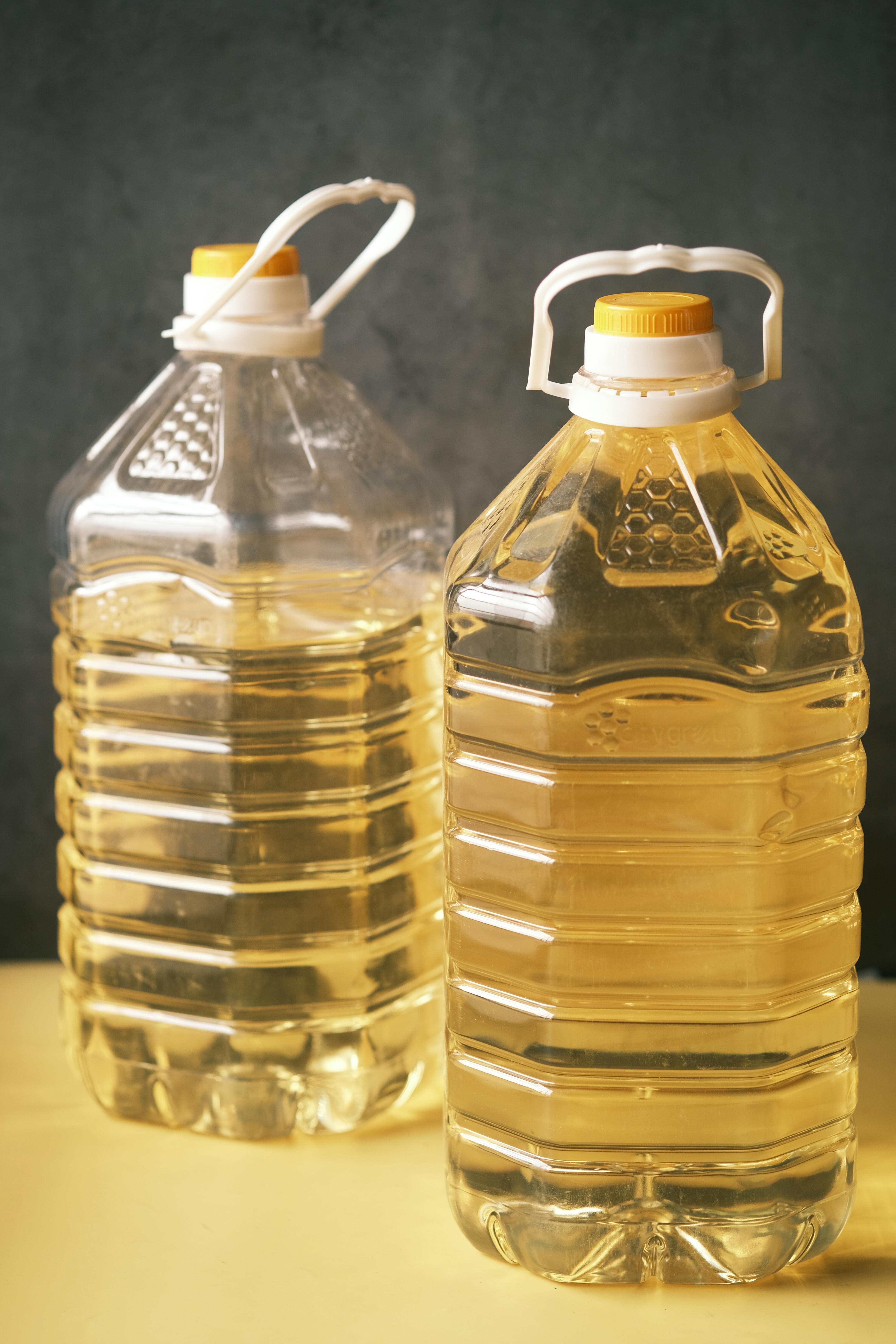
Vegetable oil production has surged from 17 million tons in 1961 to over 200 million tons today, and the calories we consume from these oils have more than doubled. Globally, people now get about 250–300 calories per person per day just from industrial seed oils—and in many wealthier nations, that number climbs above 400 calories daily.
In just two generations, humanity went from pressing olives to extracting oil from beans in chemical vats, using solvents like hexane to mass-produce cheap, shelf-stable fat.
So the next time you picture farmland, don’t imagine endless fields of golden wheat and farmers on tractors feeding the world. Instead, picture soil working overtime to feed factories, not families.
Because while the Earth’s surface is still vast and fertile, much of it no longer grows food for human nourishment—it grows fuel for industrial profit.