
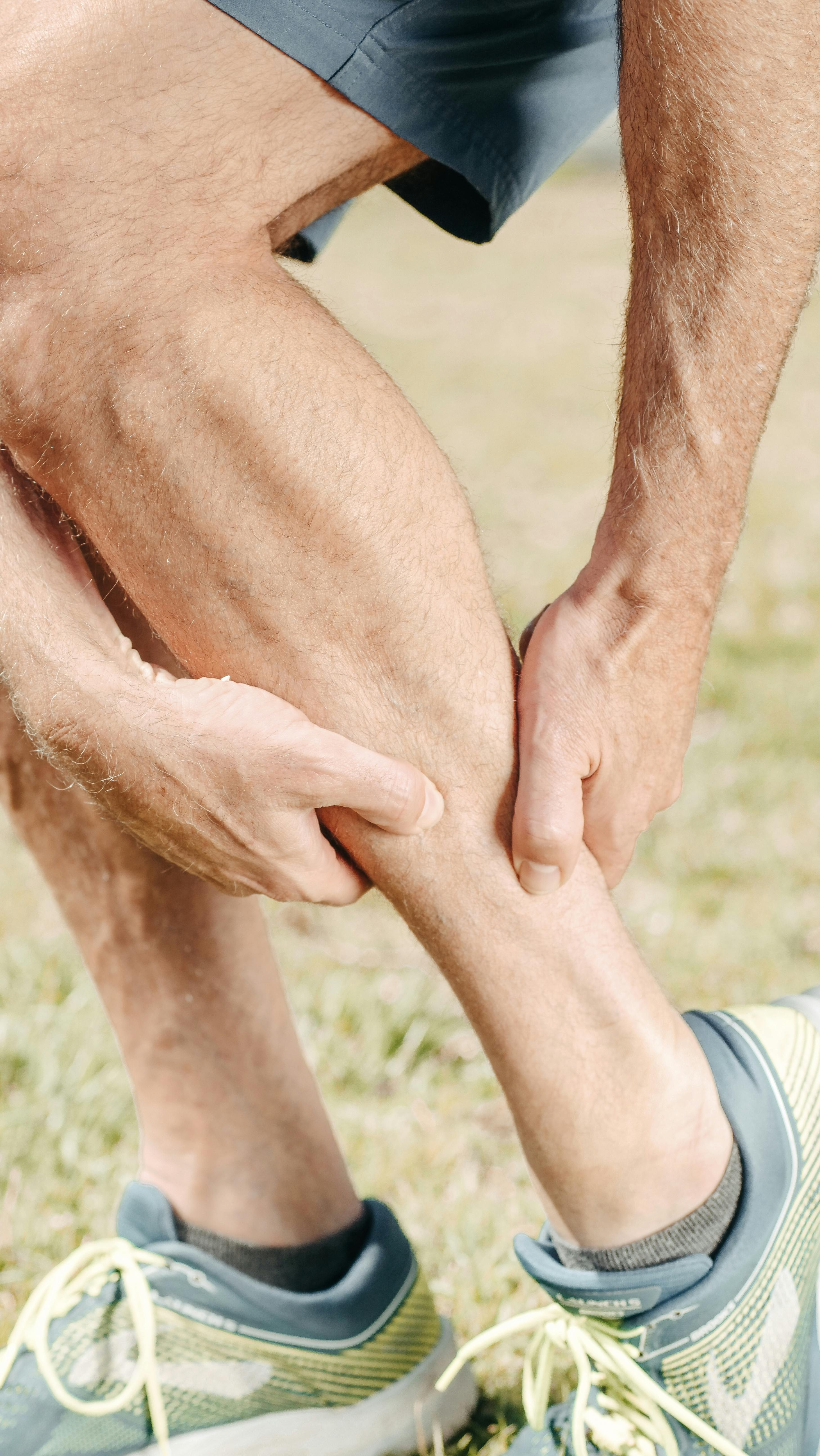
Coffee Caffeine and Cramps
If you’ve ever shot straight out of bed at 2 a.m. with your calf muscle twisting itself into a pretzel, you know the pain is biblical. One moment you’re dreaming peacefully, the next your leg thinks it’s auditioning for a Greek tragedy.
People call them Charlie horses, calf cramps, “lightning bolts from hell,” or “how am I supposed to walk tomorrow?” But most people have no idea why they happen.
And here’s the twist:
For many people, the answer is sitting right in their favorite mug.
Coffee. Caffeine. The sacred morning potion. The legal drug we pretend is harmless.
Before you panic — no, coffee doesn’t jump into your legs and start yanking on muscles. But caffeine does set off a chain reaction in your body that makes cramps, especially night-time cramps, far more likely.
Let’s walk through the story of how coffee quietly becomes the villain in this late-night drama.
The Secret Caffeine–Cramps Connection
Caffeine is a diuretic. That’s a fancy way of saying:
It makes you pee more than your body would naturally choose to.
So every time you drink coffee, your kidneys get the memo:
“Alright people, open the floodgates!”
Your body doesn’t just lose water — it loses electrolytes with that water. And one of the first minerals to go down the drain?
Magnesium.
Magnesium is the mineral that keeps your muscles relaxed and nerves calm. It’s like the body’s natural “chill-out” mineral. Without enough of it, your muscles become tight, irritable, and prone to misfiring.
And misfiring muscles don’t ask permission. They just contract… hard.
This is one of the most common causes of those sudden, vicious calf cramps that wake you up like someone plugged your leg into a wall socket.
The Nighttime Cramps Setup — A Perfect Storm
Here’s what usually happens in a coffee drinker’s body:
During the day, you drink coffee.
Coffee makes you lose water and magnesium.
Magnesium drops.
Muscles become more reactive.
Then nighttime comes.
Blood flow naturally slows when you sleep
Hydration levels drop even more
Your muscles cool down
Electrolyte balance becomes more fragile
And just when your body is supposed to be resting, your calf muscle says:
“Actually… let me just violently contract for no reason.”
Boom. Charlie horse.
Why It’s Almost Always the Calf
People rarely get coffee-related cramps in their shoulders or arms.
It’s almost always the legs — especially the calves.
Why?
Because your calves spend the entire day carrying your weight, stabilizing you, and working more than almost any other muscle group. They get less blood flow at night. And they are extremely sensitive to electrolyte shortages.
A dehydrated, magnesium-low calf muscle is basically a cramp waiting to happen.
Caffeine primes that trap.
Caffeine Also Drains Other Electrolytes (Just to Make Things Worse)
Coffee doesn’t stop at magnesium.
It also pushes out:
Potassium
Sodium
Calcium
These minerals work together like a musical quartet. When one is off, the entire system sounds terrible.
Potassium helps muscles contract smoothly.
Sodium helps nerves fire correctly.
Calcium helps muscles release after contracting.
When caffeine pulls multiple electrolytes out of your body, your muscles don’t know whether they’re supposed to be relaxed, half-contracted, or staging a rebellion.
And they pick the worst option:
the all-out cramp.
The Hidden Hormone Effect Nobody Talks About
Caffeine doesn’t just affect minerals — it affects hormones too.
Coffee spikes cortisol, your stress hormone. Cortisol also makes you lose more minerals, especially magnesium. And elevated cortisol keeps your nervous system in a slightly agitated state.
So now you’ve got:
Low magnesium
Low potassium
Mild dehydration
A twitchy nervous system
Your muscles aren’t resting at night. They’re waiting for an excuse to snap.
The Sneaky Timing of Coffee-Triggered Night Cramps
Most people drink coffee in the morning.
So why do the cramps hit at night?
Because caffeine’s effects ripple through your system for hours. Even when the buzz is gone, the mineral loss and dehydration aren’t.
Think of it this way:
Your morning coffee doesn’t cause an immediate cramp.
It creates the conditions that set you up for a cramp later.
It’s like planting the seeds for a 2 a.m. disaster.
Here’s the Plot Twist: Decaf Doesn’t Cause This
Decaf doesn’t have the diuretic impact that caffeinated coffee does.
And freeze-dried decaf specifically:
Doesn’t use ammonia or chemical solvents
Doesn’t strip your minerals
Doesn’t dehydrate you
Doesn’t spike cortisol
Doesn’t trigger the nerve excitability that causes cramps
Meaning?
You can still enjoy the flavor of coffee without sacrificing your sleep — or waking up clutching your leg in agony.
If you’ve ever had a sudden nighttime cramp that made you levitate off the bed, switching to decaf might be the simplest life upgrade you ever make.
So Yes — Coffee Can Absolutely Cause Cramps
Not because it’s evil.
Not because your body hates you.
Simply because caffeine:
Dehydrates you
Flushes magnesium
Flushes potassium
Overstimulates your nerves
Tightens your muscles
Disrupts nighttime muscle recovery
Put those together and your calf becomes a tightly wound spring waiting to snap.
And snap it does… usually at the worst possible moment.
If you suffer from night-time calf cramps or Charlie horses, don’t just stretch. Don’t just blame your shoes. Don’t just accept the pain like some kind of midnight punishment.
Look at your coffee.
Your beloved caffeine might be sneaking minerals out of your body and setting the stage for muscular chaos.
Switching to decaf — especially clean, freeze-dried decaf — can genuinely transform your nights.
And your calves will thank you
…quietly
…peacefully
…from bed
…at 2 a.m.